Fremantle's convict era (1850–1868)
Between June 1850 and January 1868, about 9,700 convicts were transported to Western Australia on 43 ships, all landing at Fremantle. They built Fremantle Prison, the town's asylum, and the colony's roads, bridges and public buildings. The last of them arrived on the Hougoumont on 10 January 1868, the final convict ship to reach Australia.
Why Western Australia wanted convicts
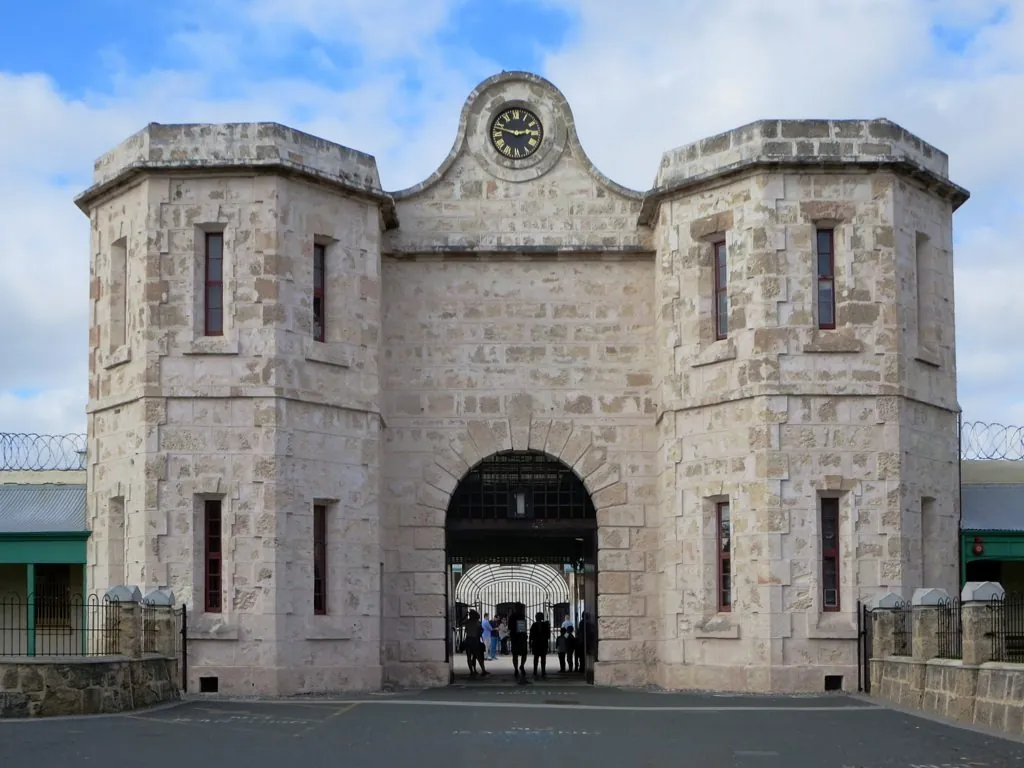
By the late 1840s, the Swan River Colony, founded in 1829 as a free settlement, was in trouble. There were too few workers and too little money to build the roads, bridges and public buildings it needed. While New South Wales and Van Diemen’s Land were ending transportation, Western Australia went the other way and asked Britain to send convicts.
Britain agreed. The first transported men landed at Fremantle in June 1850, and over the next 18 years about 9,700 convicts arrived on 43 ships. Almost all were men, and many were sent in the later part of their sentences. They could earn a ticket of leave and work for wages in the colony.
What they built
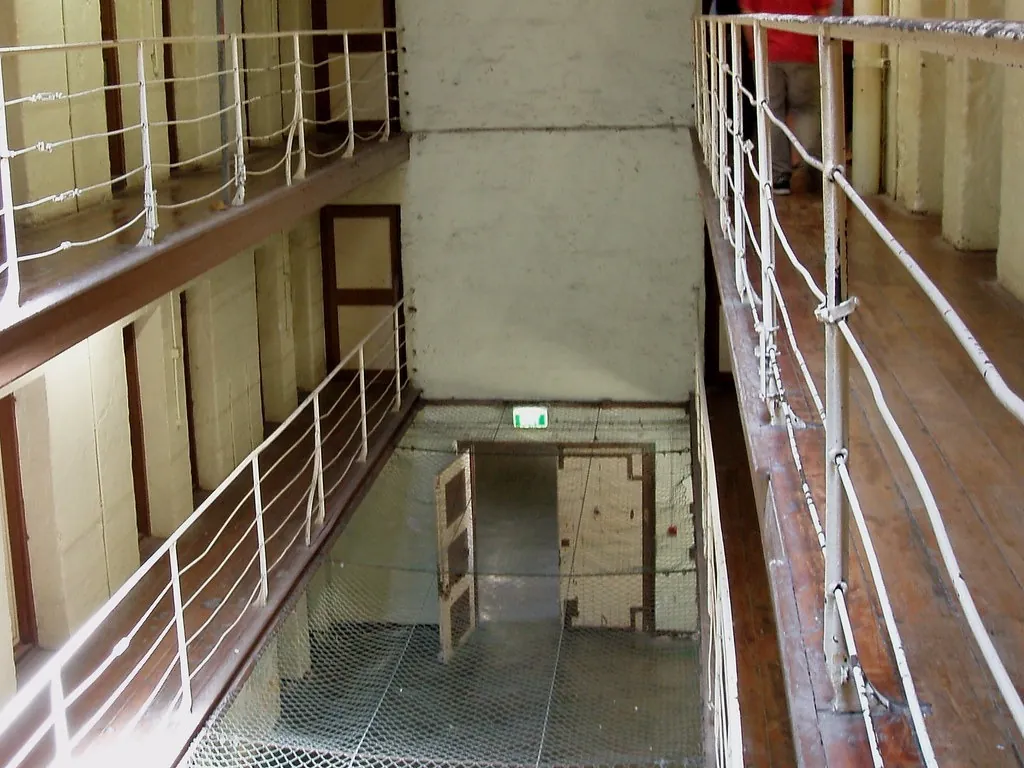
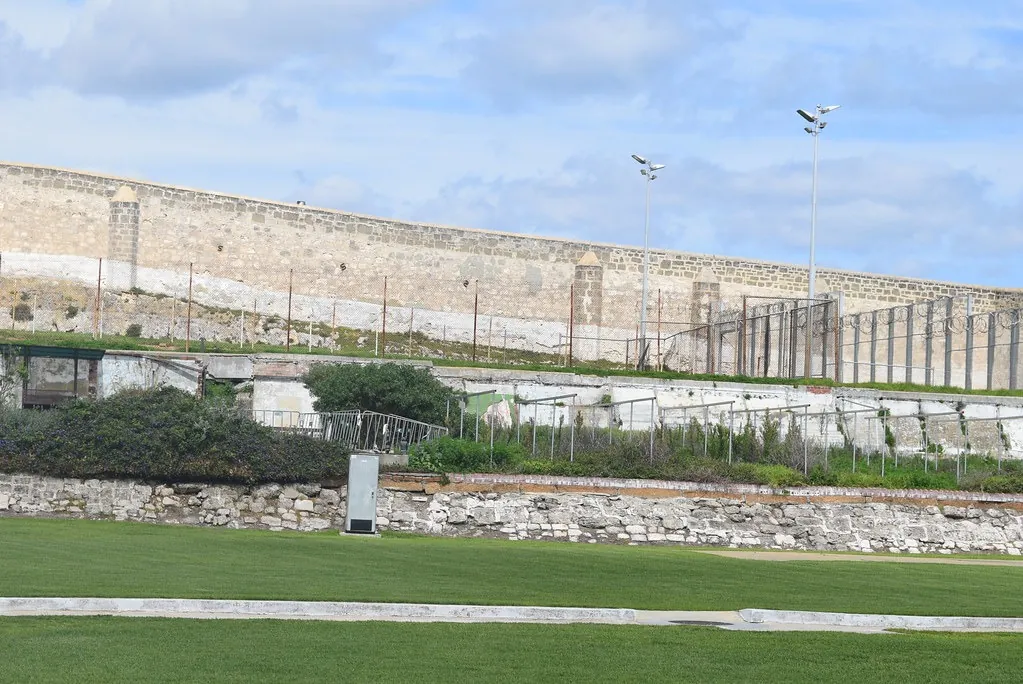
The first job was their own gaol. From 1851, convicts quarried limestone on the hill above the town and learned to cut and lay it as masons. The result was the Fremantle Convict Establishment, today Fremantle Prison. Its Main Cell Block was occupied from June 1855 and finished by 1859.
Convict labour also built the Fremantle Lunatic Asylum in the 1860s, now the Walyalup Fremantle Arts Centre, along with roads, bridges, jetties, the Perth Town Hall and public works across the colony. The convicts, and the skills they brought or learned, shaped the look of limestone Fremantle, including working buildings like the Port Flour Mill on Essex Street, built from about 1862.
The Hougoumont: the last convict ship
The Hougoumont left Portsmouth on 12 October 1867 and reached Fremantle on 10 January 1868, 89 days later. On board were 280 convicts and 108 passengers, mostly pensioner guards and their families. It was the last convict ship to Australia.
Among the convicts were 62 Fenians, Irish republicans imprisoned after the failed rising of 1867, about 17 of them former soldiers. During the voyage they produced seven issues of a handwritten newspaper, The Wild Goose, and copies survive today.
The Catalpa escape
Eight years later, Fremantle’s convict story produced one of its great adventures. In April 1876, the American whaling ship Catalpa, sent by Irish-American supporters, waited off the coast while six Fenian prisoners slipped away from their work parties. They were rowed out to the ship off Rockingham, south of Fremantle, and after a tense stand-off with a colonial steamer, sailed for New York.
After transportation
Transportation ended with the Hougoumont, but Fremantle Prison carried on as the state’s main gaol for more than a century, until it closed on 30 November 1991. In 2010 it was inscribed on the UNESCO World Heritage List with ten other Australian Convict Sites.
Questions people ask
When did convicts come to Western Australia?
From June 1850, when the first transported convicts arrived at Fremantle, until 10 January 1868, when the Hougoumont arrived as the last convict ship to Australia.
How many convicts were sent to Western Australia?
About 9,700. The usual figure is 9,668 convicts, carried on 43 ship voyages between 1850 and 1868.
Why did Western Australia ask for convicts?
The Swan River Colony was struggling with a shortage of labour and money in the late 1840s. The colony asked Britain for convicts to build the roads, bridges and public works it couldn't afford, while other Australian colonies were ending transportation.
What did convicts build in Fremantle?
Their own prison, the Fremantle Convict Establishment (now Fremantle Prison), built 1851–59; the Fremantle Lunatic Asylum (now the Walyalup Fremantle Arts Centre); and roads, bridges, jetties and public buildings across the colony.
What was the last convict ship to Australia?
The Hougoumont, which left Portsmouth on 12 October 1867 and arrived at Fremantle on 10 January 1868 after 89 days, carrying 280 convicts, including 62 Fenian political prisoners, and 108 passengers.
Who were the Fenians on the Hougoumont?
Irish republicans, members of the Irish Republican Brotherhood, convicted after the failed 1867 rising. About 17 of the 62 were former soldiers. On the voyage they wrote a handwritten newspaper, The Wild Goose.
What was the Catalpa rescue?
In April 1876, the American whaling ship Catalpa, organised by Irish-American supporters, rescued six Fenian prisoners from Fremantle. The men slipped away from work parties, reached the ship off Rockingham and sailed to freedom in the United States.
Can I trace a convict ancestor in Western Australia?
Yes. The Fremantle Prison collection, the State Records Office of WA and family history groups hold convict registers and records. Fremantle Prison's staff can point you to its convict database and resources.