Fremantle weather and the best time to visit
Fremantle has a Mediterranean climate: warm, dry summers and mild, wet winters. Long-term averages run from 27–28°C highs in January and February to about 17°C in July, and most of the year's 770 mm of rain falls between May and August. The best months for most visitors are October to April.
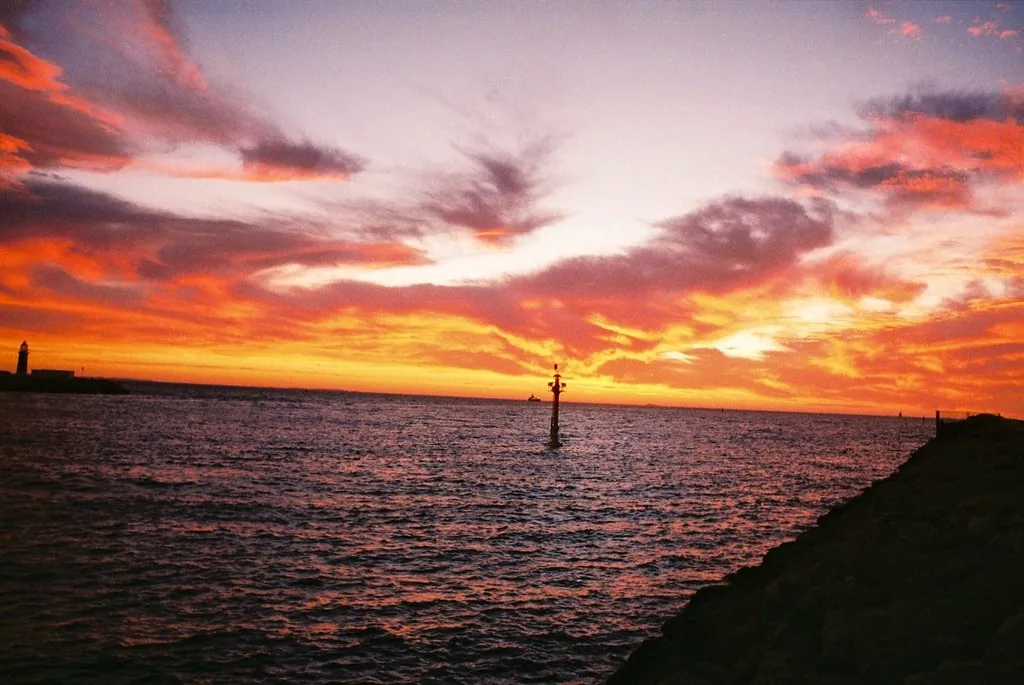
Fremantle weather by month
These are long-term averages from the Bureau of Meteorology’s Fremantle weather station (site 009017), which closed in 1992. Its rainfall records go back to 1852. Recent summers have tended to run warmer, but the seasonal pattern is the same.
| Month | Avg high (°C) | Avg low (°C) | Rain (mm) | Rain days | Good for |
|---|---|---|---|---|---|
| January | 27.3 | 17.8 | 6 | 0.7 | Beaches, long evenings; school holidays |
| February | 27.9 | 18.1 | 11 | 0.9 | Beaches, SailGP, Rottnest Channel Swim |
| March | 26.4 | 17.0 | 16 | 1.2 | Warm sea, fewer crowds |
| April | 23.6 | 14.9 | 41 | 3.0 | Easter Street Arts Festival, calm days |
| May | 20.3 | 12.7 | 113 | 6.1 | Sightseeing, quieter prices |
| June | 18.1 | 11.1 | 166 | 8.3 | Museums, Prison tours, pubs |
| July | 17.1 | 10.0 | 156 | 8.9 | Winter school holidays, cosy stays |
| August | 17.3 | 10.2 | 118 | 7.9 | Quiet, lowest prices |
| September | 18.5 | 11.0 | 69 | 5.9 | Whale season begins, wildflowers inland |
| October | 20.1 | 12.3 | 42 | 4.4 | Whale watching, spring weather |
| November | 23.0 | 14.5 | 18 | 2.2 | Warming up, festivals |
| December | 25.4 | 16.5 | 11 | 1.2 | Christmas, summer starts |
Rain days are days with at least 1 mm. Source: Bureau of Meteorology.
The seasons
- Summer (December to February). Hot, dry and sunny. Mornings are still. The Fremantle Doctor sea breeze usually arrives late morning or early afternoon and cools the coast. This is beach and Rottnest season, and the busiest and priciest time to stay.
- Autumn (March to May). The best-kept secret: warm sea, settled weather and fewer people. Easter brings the Street Arts Festival.
- Winter (June to August). Mild and wet, with rain coming in fronts and sunny days in between. Good for museums, the Prison, pubs and cheaper rooms.
- Spring (September to November). Warming, breezy and green. Humpback whales pass on their way south (see whale watching).
The Fremantle Doctor
The Fremantle Doctor is the afternoon sea breeze that blows in from the south-west on summer days. It usually starts between about 10am and 3pm, is strongest in December and January, and turns southerly by evening. On hot days it can drop the temperature on the coast by several degrees. On days when it fails to arrive, Perth swelters above 40°C. The name has been in use since at least the 1870s.
What it means for you: swim and sunbake in the morning, plan sheltered or indoor activities for mid-afternoon on windy days, and expect the Rottnest ferry to be bumpier in the afternoon.
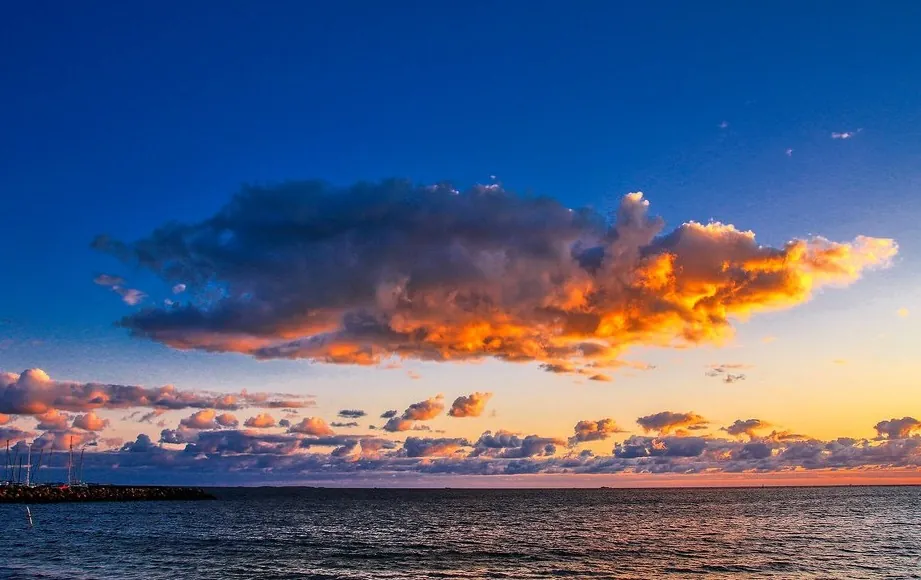
Best time to visit, by trip type
| If you want | Go in |
|---|---|
| Beaches and swimming | January to April |
| Sightseeing without heat or crowds | March to May, October to November |
| Lowest accommodation prices | June to August, Sunday to Thursday nights |
| Whales | September to November |
| Big events | February (SailGP, Channel Swim), Easter (Street Arts Festival) |
Questions people ask
What is the best time of year to visit Fremantle?
October to April for warm, dry weather. March and April are many locals' favourite months: the sea is at its warmest, the summer crowds and school holidays are over, and the days are still around 24–26°C.
How hot does Fremantle get?
Long-term averages for the Fremantle weather station show January and February highs of about 27–28°C. Hot easterly days can go well above 35°C, but the afternoon sea breeze usually keeps the coast cooler than inland Perth.
Does it rain much in Fremantle?
Fremantle averages about 770 mm a year, and almost all of it falls from May to September. June and July each average about 155–165 mm. December to March is very dry, with about one rain day a month.
What is the Fremantle Doctor?
The Fremantle Doctor is the cooling south-westerly sea breeze that arrives on summer afternoons, usually between about 10am and 3pm. It's strongest in December and January and can drop temperatures by several degrees.
When is the sea warmest in Fremantle?
Late summer and early autumn, around February to April. It's coolest in late winter and spring.
Is Fremantle worth visiting in winter?
Yes. Winter days are mild (around 17–18°C), the museums, Prison tours and pubs are cosy, accommodation is cheaper and the town is quieter. Pack a rain jacket for the showers.
What should I pack for Fremantle?
Summer: sunscreen, a hat, swimmers and a light layer for the breezy evenings. Winter: a rain jacket and warm layers. Year-round: comfortable walking shoes for limestone footpaths.