Fremantle history
Fremantle packs nearly two centuries of colonial history, and tens of thousands of years of Noongar history before it, into a few walkable square kilometres. Here are the dates that shaped it.
Fremantle in twelve dates
- Tens of thousands of years
The Whadjuk Noongar people live on and care for Walyalup, the country at the mouth of the Derbarl Yerrigan (Swan River). - 1697
Dutch navigator Willem de Vlamingh's expedition visits, the first Europeans recorded here. - 2 May 1829
Captain Charles Fremantle claims the west coast for Britain. Weeks later James Stirling arrives to found the Swan River Colony, and the port is named after Fremantle. - 1830–31
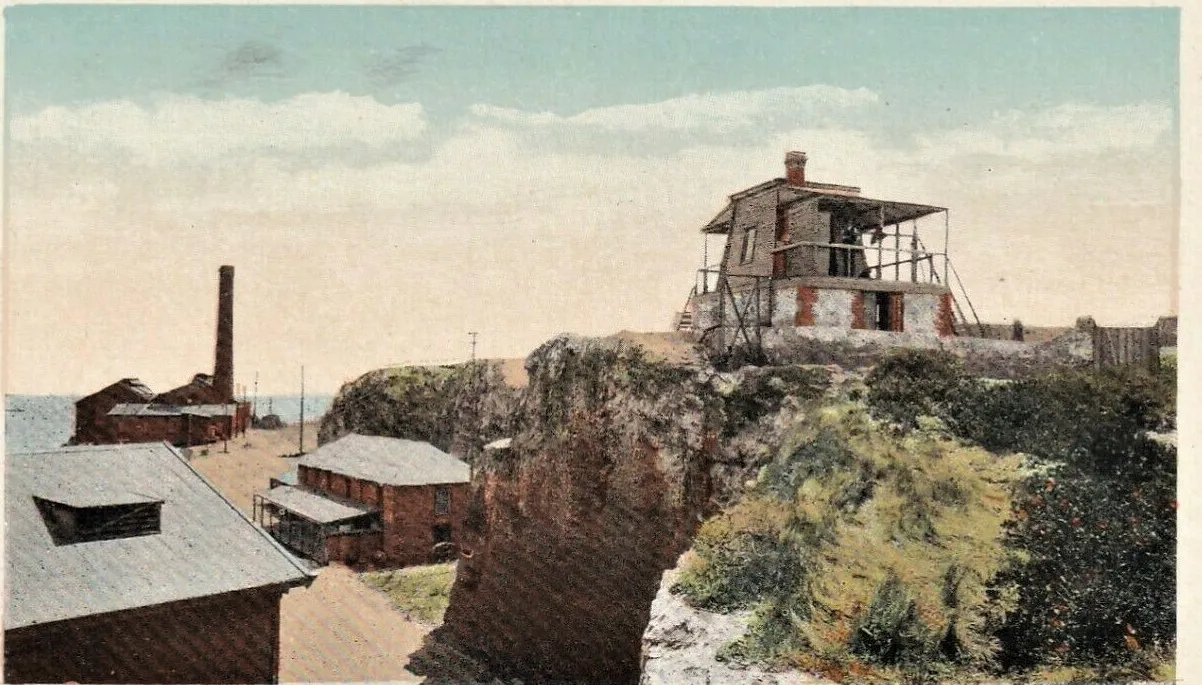
The Round House gaol is built on Arthur Head, the colony's first permanent building. - 1837–38
The Whalers' Tunnel is cut through the headland to link Bathers Beach's whaling station to High Street. - June 1850
The first convicts arrive. Over the next 18 years transported men build roads, bridges, public buildings and Fremantle Prison (1851–59). - c. 1862
The Port Flour Mill rises on Essex Street. - 10 January 1868
The Hougoumont arrives: the last convict ship to Australia. - 1897
C. Y. O'Connor's inner harbour opens Fremantle to large ocean ships, just as the goldfields boom. The foundation stone of the Fremantle Markets is laid on 6 November. - 1987
Fremantle hosts the America's Cup defence. The West End is restored, and the town's modern café-and-heritage character takes shape. - 1991
Fremantle Prison closes on 30 November after 136 years. - 2010
Fremantle Prison is inscribed on the UNESCO World Heritage List as one of the Australian Convict Sites.
The West End
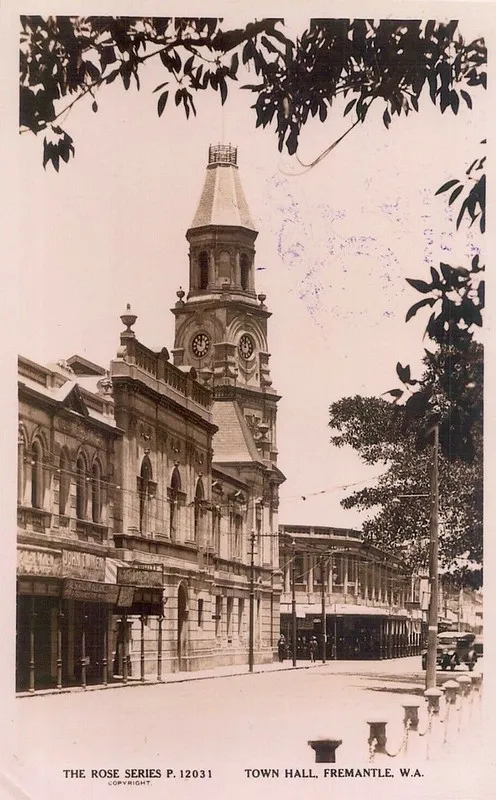
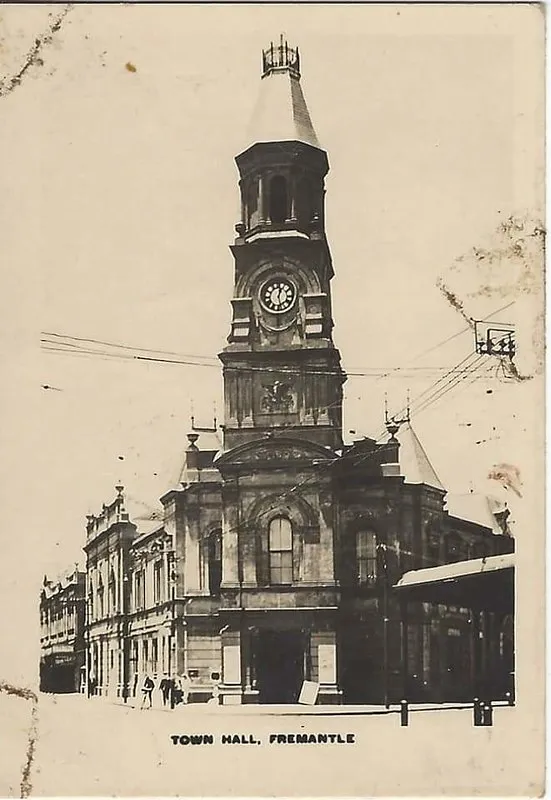
Between the railway station, the harbour and South Terrace lies the West End, a remarkably intact streetscape of late-Victorian and Edwardian buildings. Much of it was built in the gold-rush boom of the 1890s, when Fremantle was the gateway to the goldfields. Restoration gathered pace in the 1980s and 1990s, helped by the America’s Cup and by the University of Notre Dame Australia, which took over and restored many old buildings for its campus.
Why the limestone?
Almost everything old in Fremantle, from the Round House to the prison walls and the Port Flour Mill, is built of the soft local limestone. It cut easily and hardened in the air, and convict and free labourers alike learnt to work it. Look for the rough-faced blocks on side streets like Essex Street, where workaday buildings show the stone most honestly.
Fremantle through the years
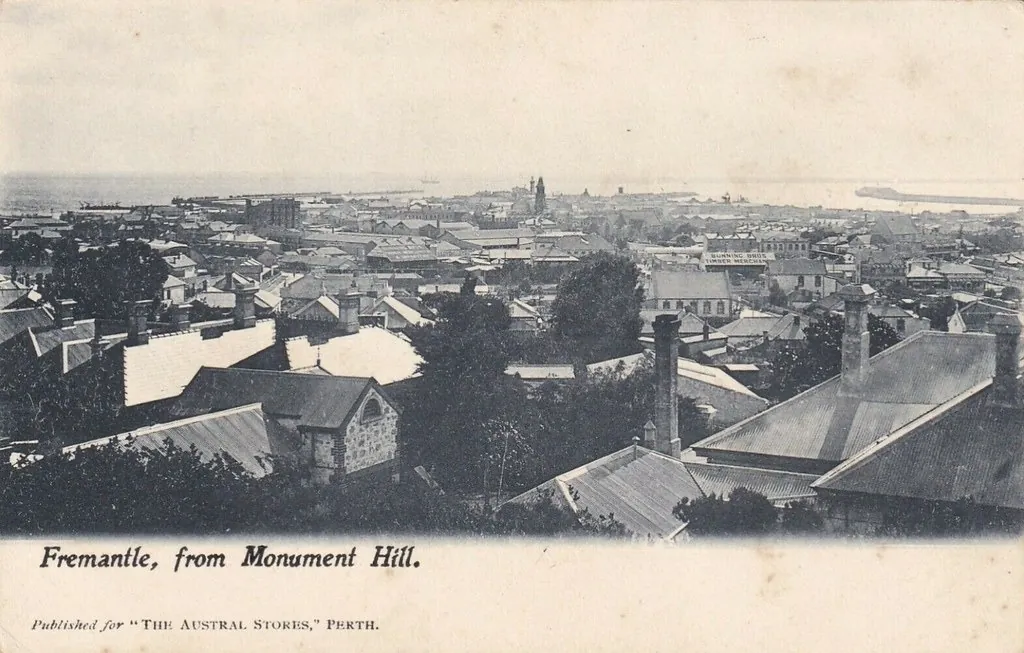
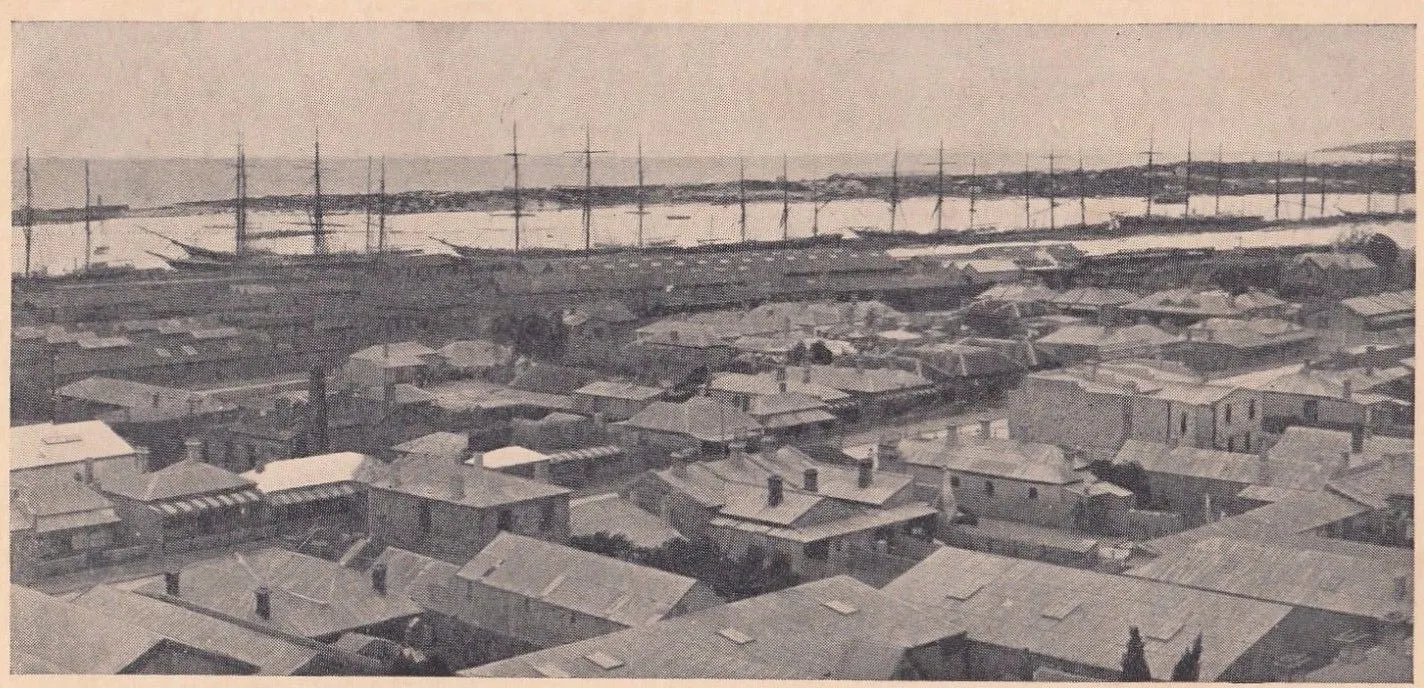
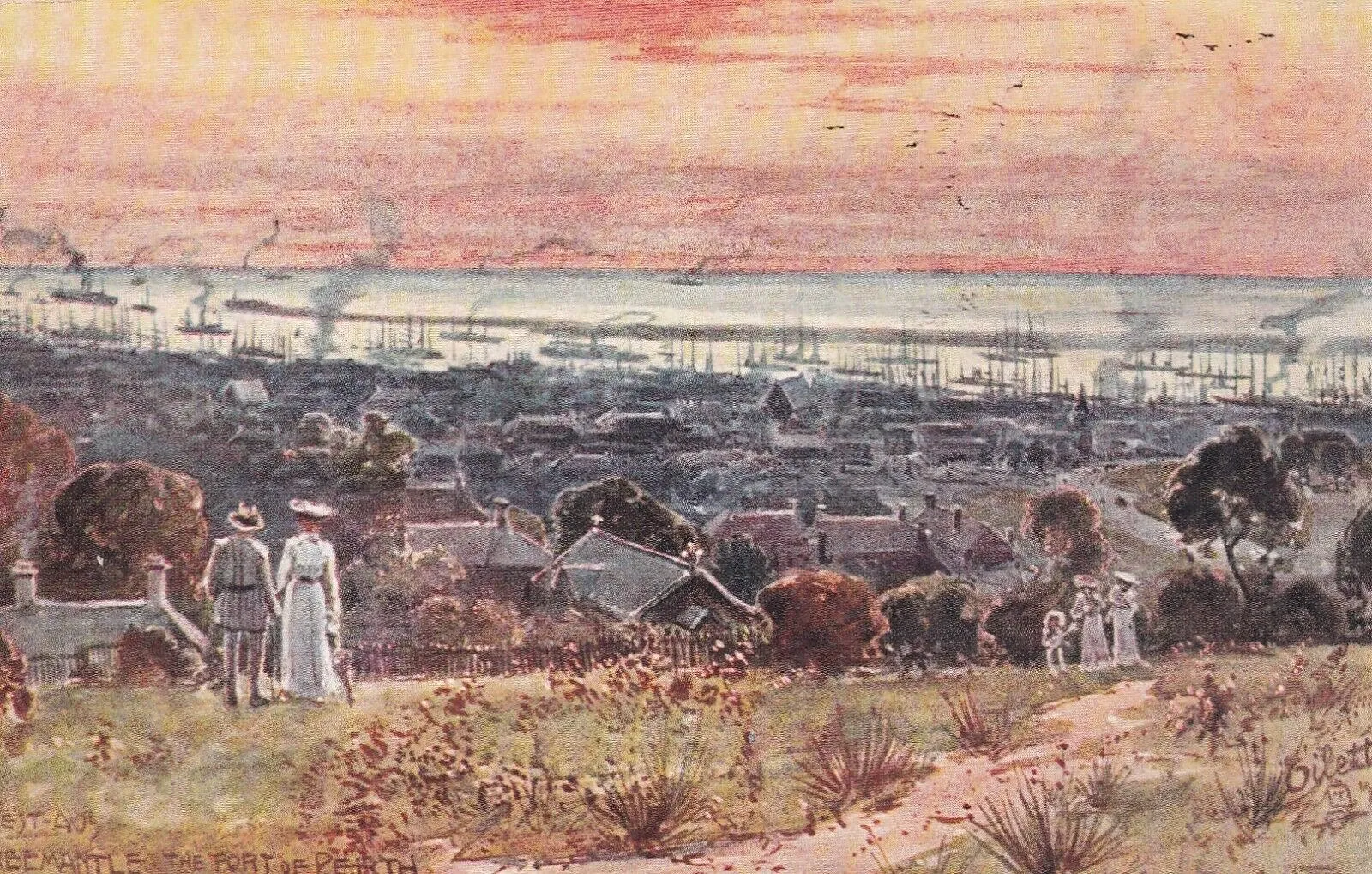
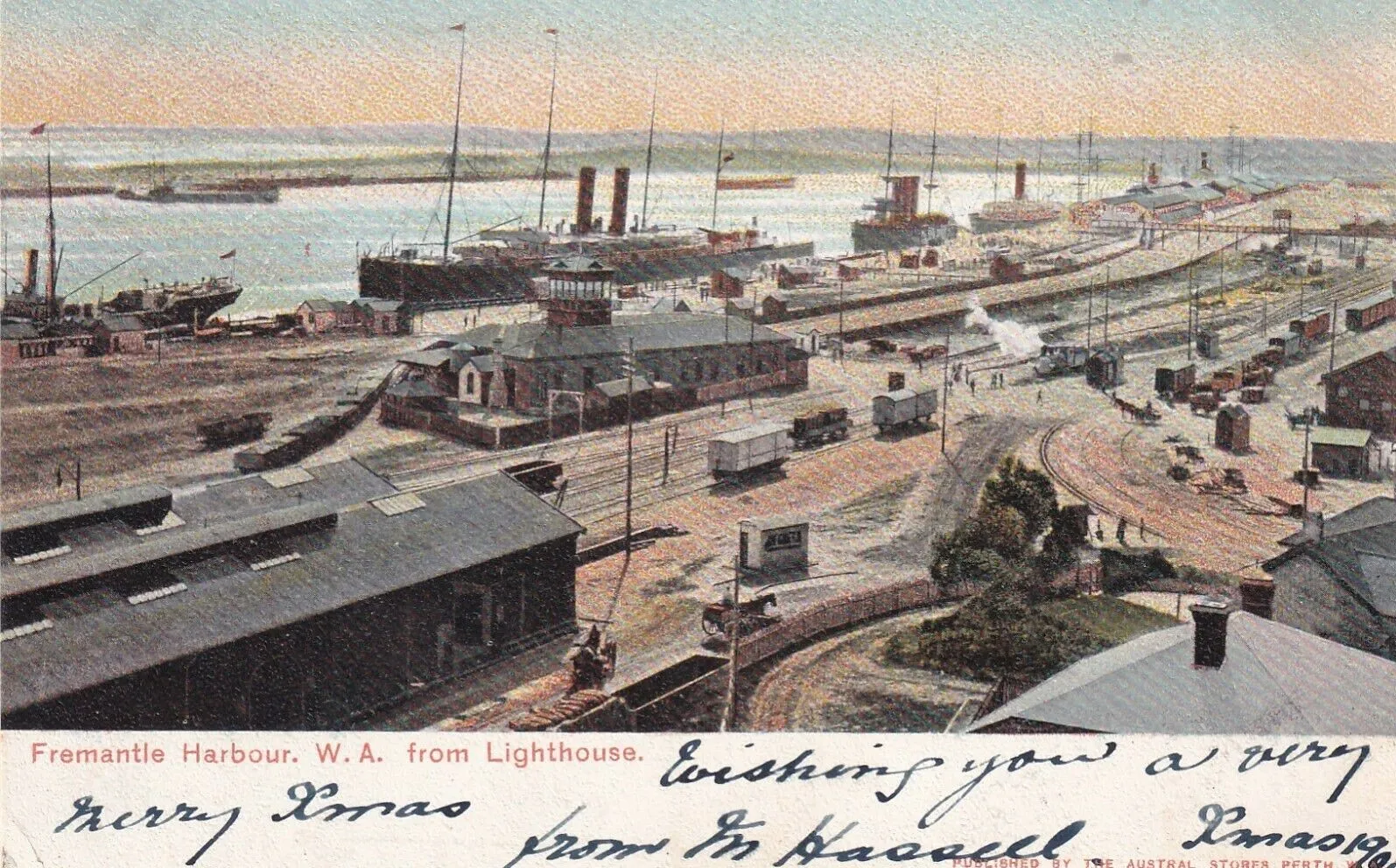
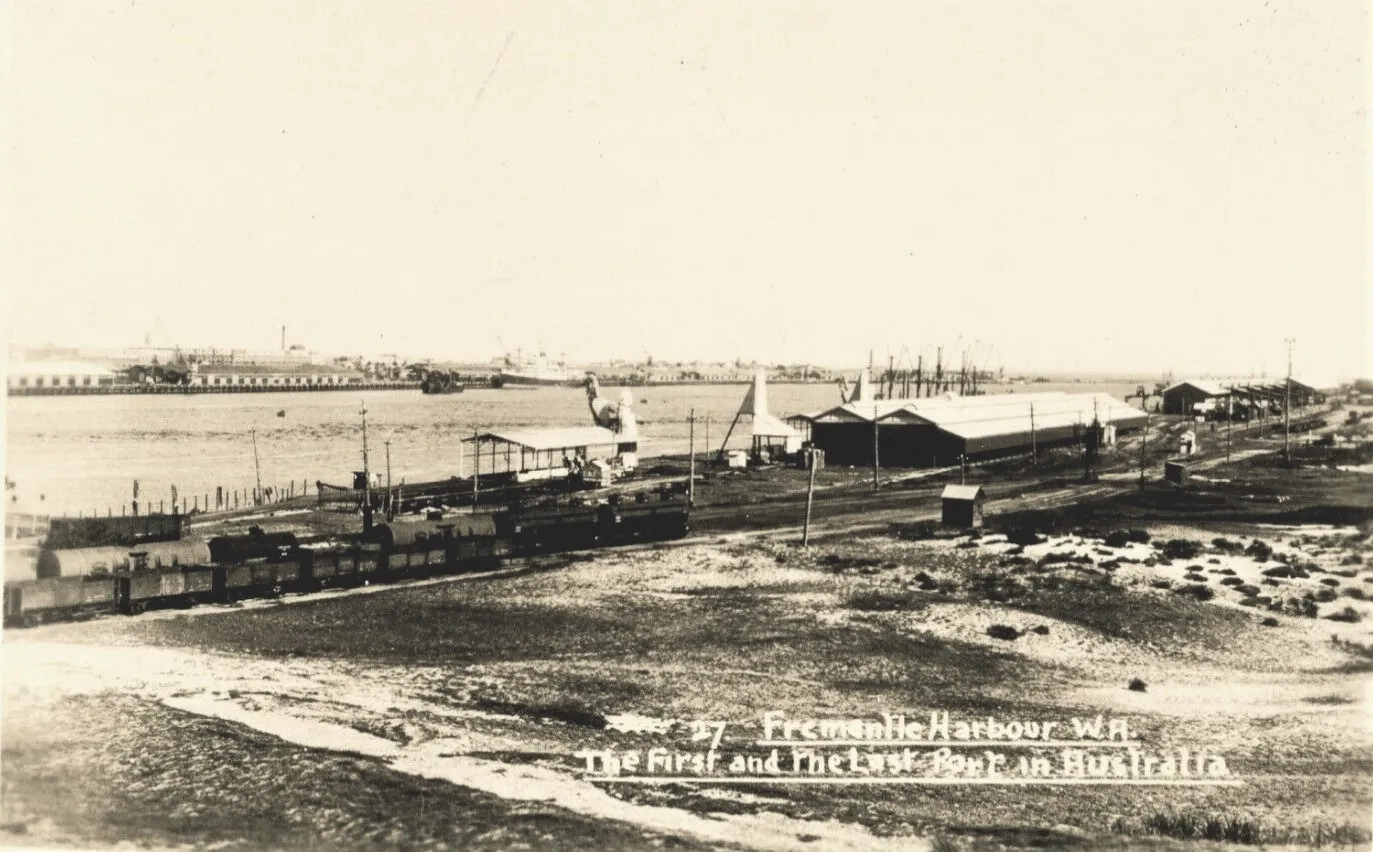
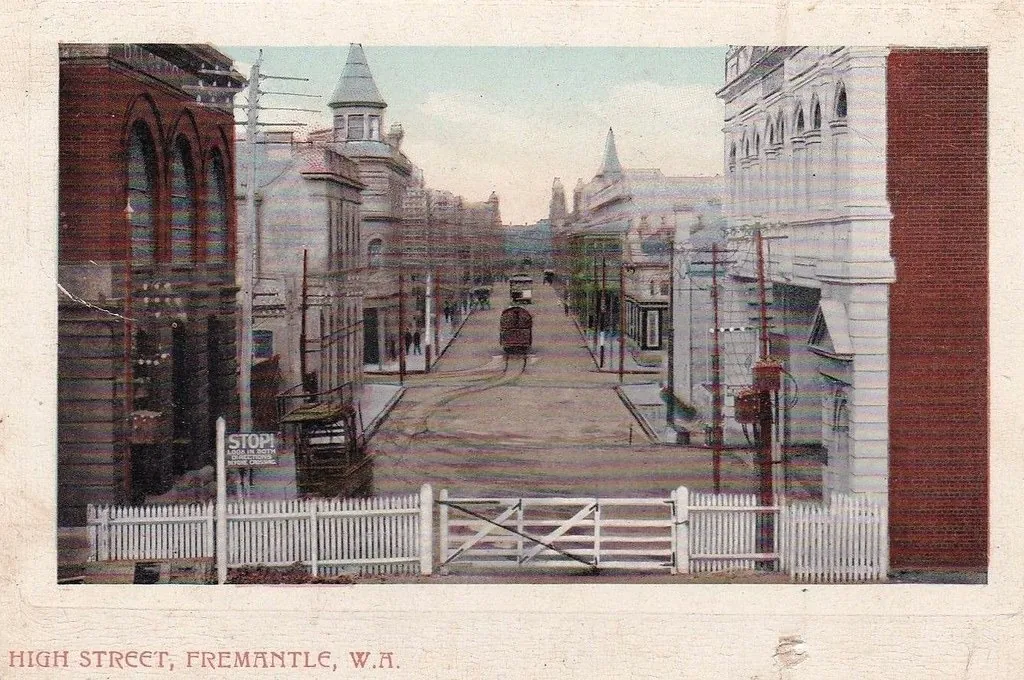
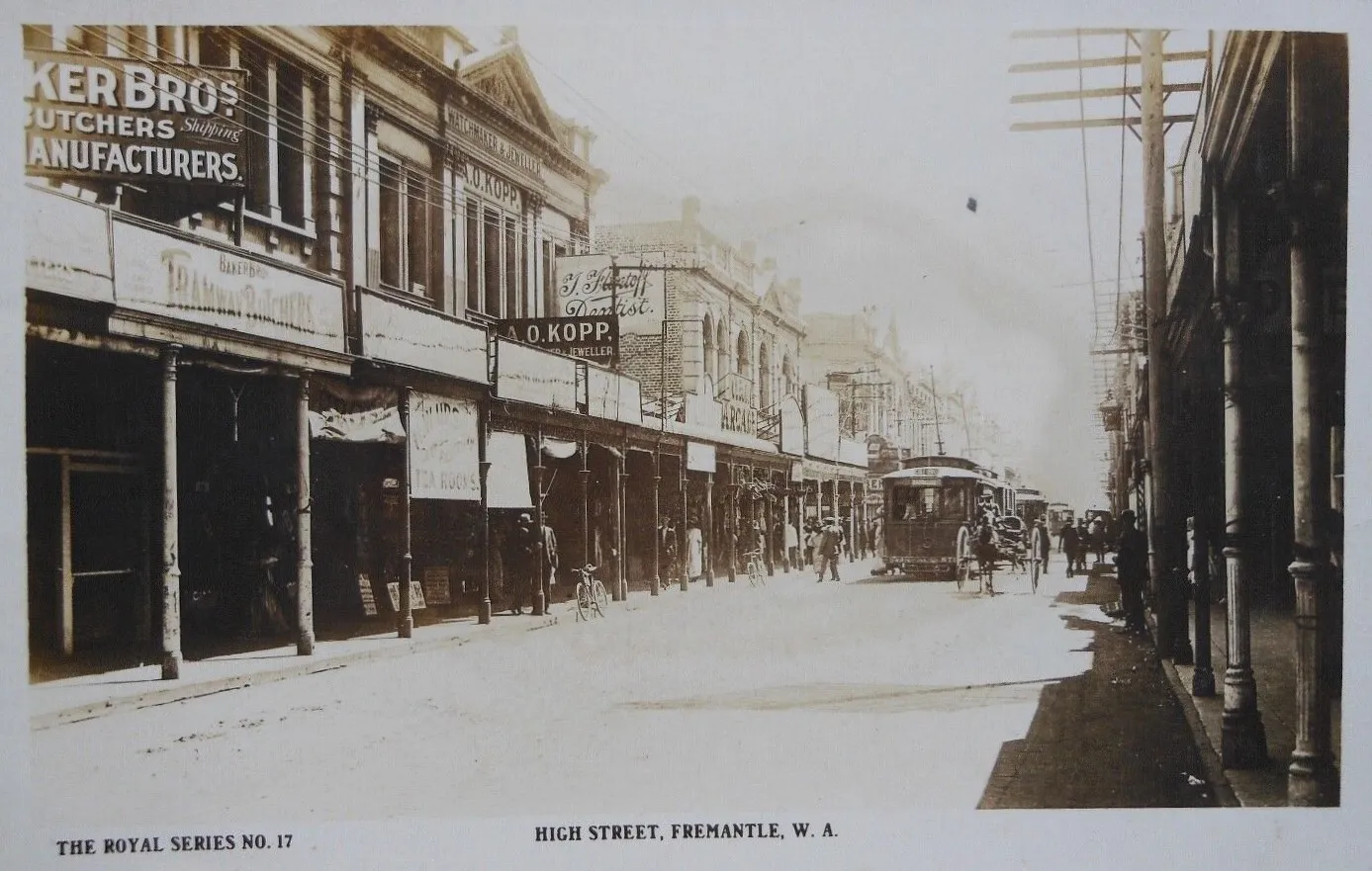
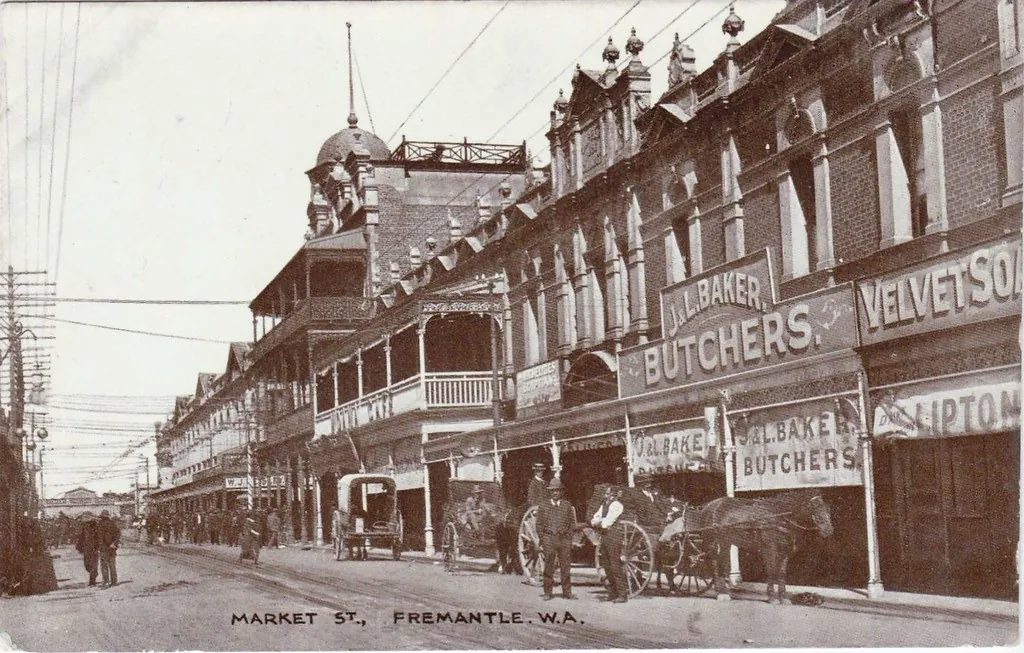
More than 30 old photographs and postcards, in date order. Use the arrows, swipe, or tap a thumbnail.
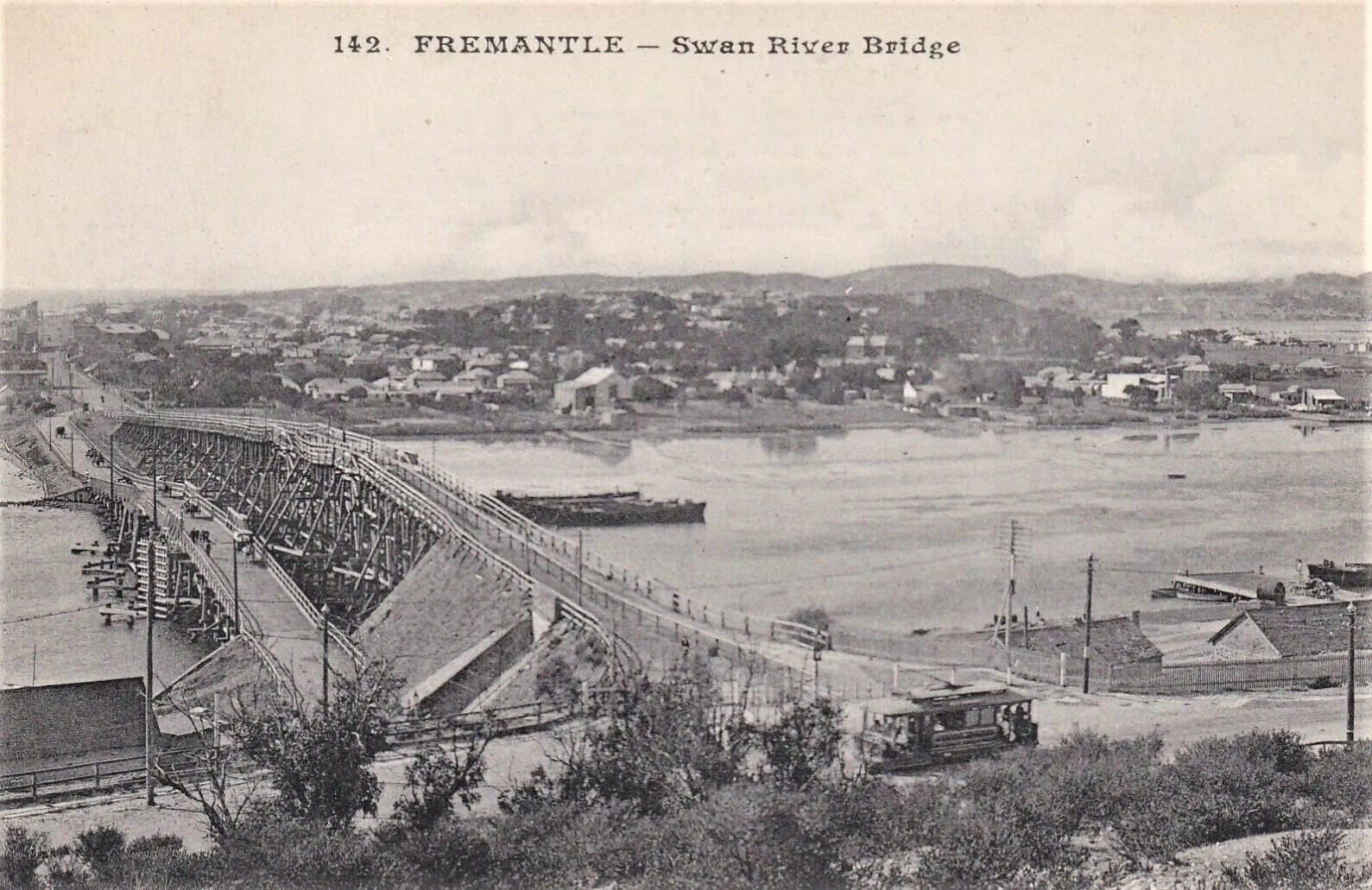
The gold-rush port, 1900–1910
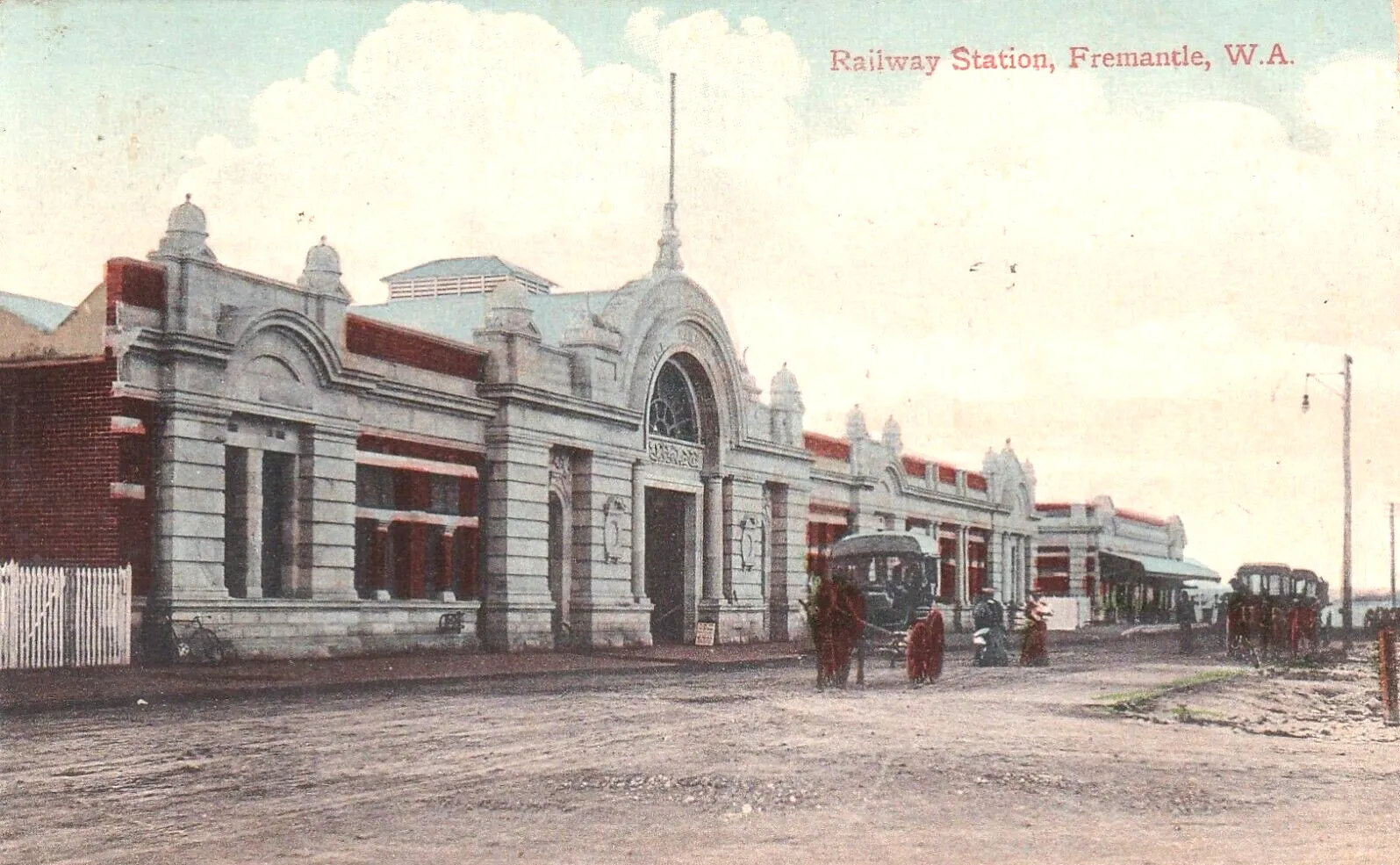
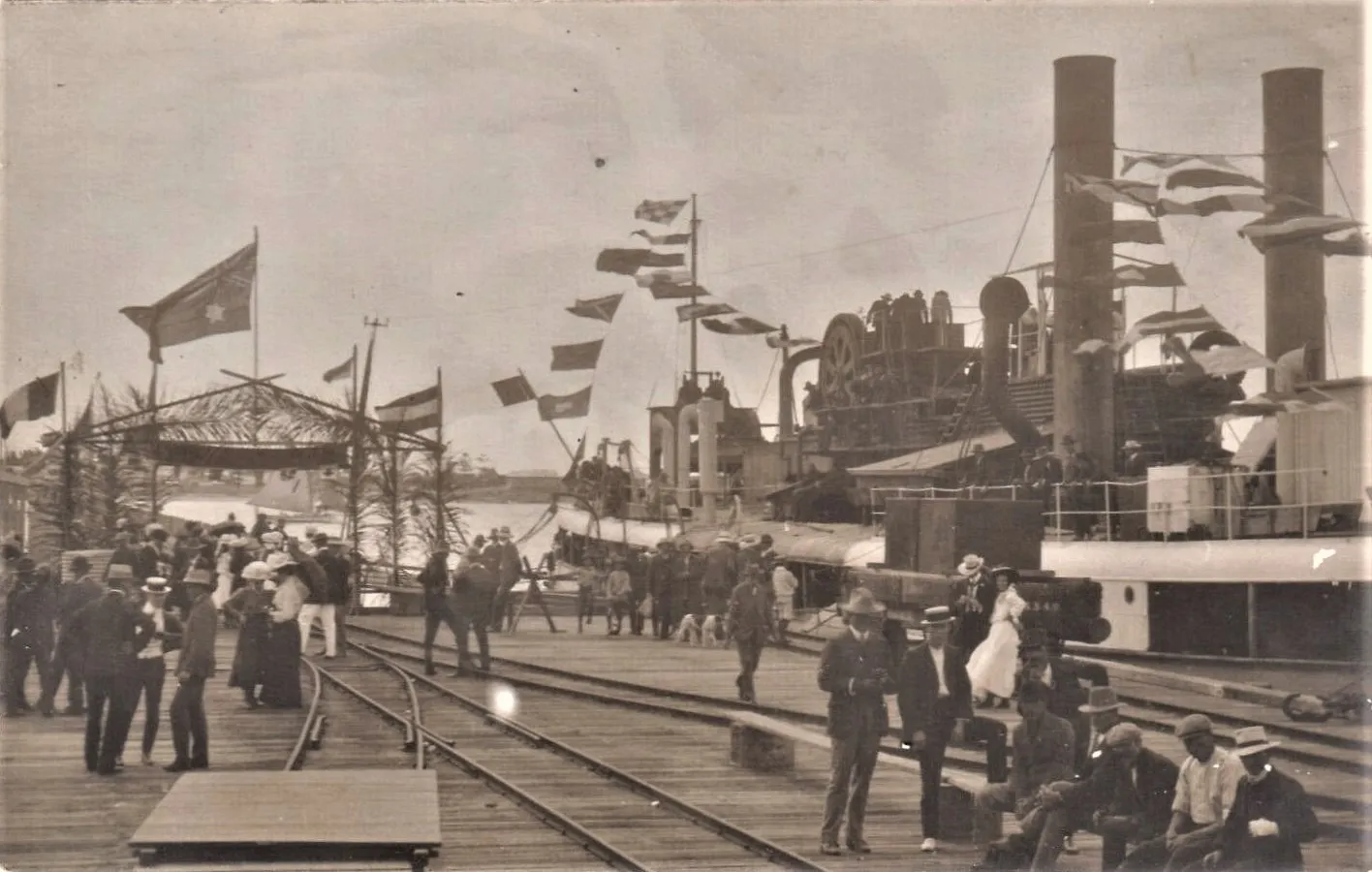
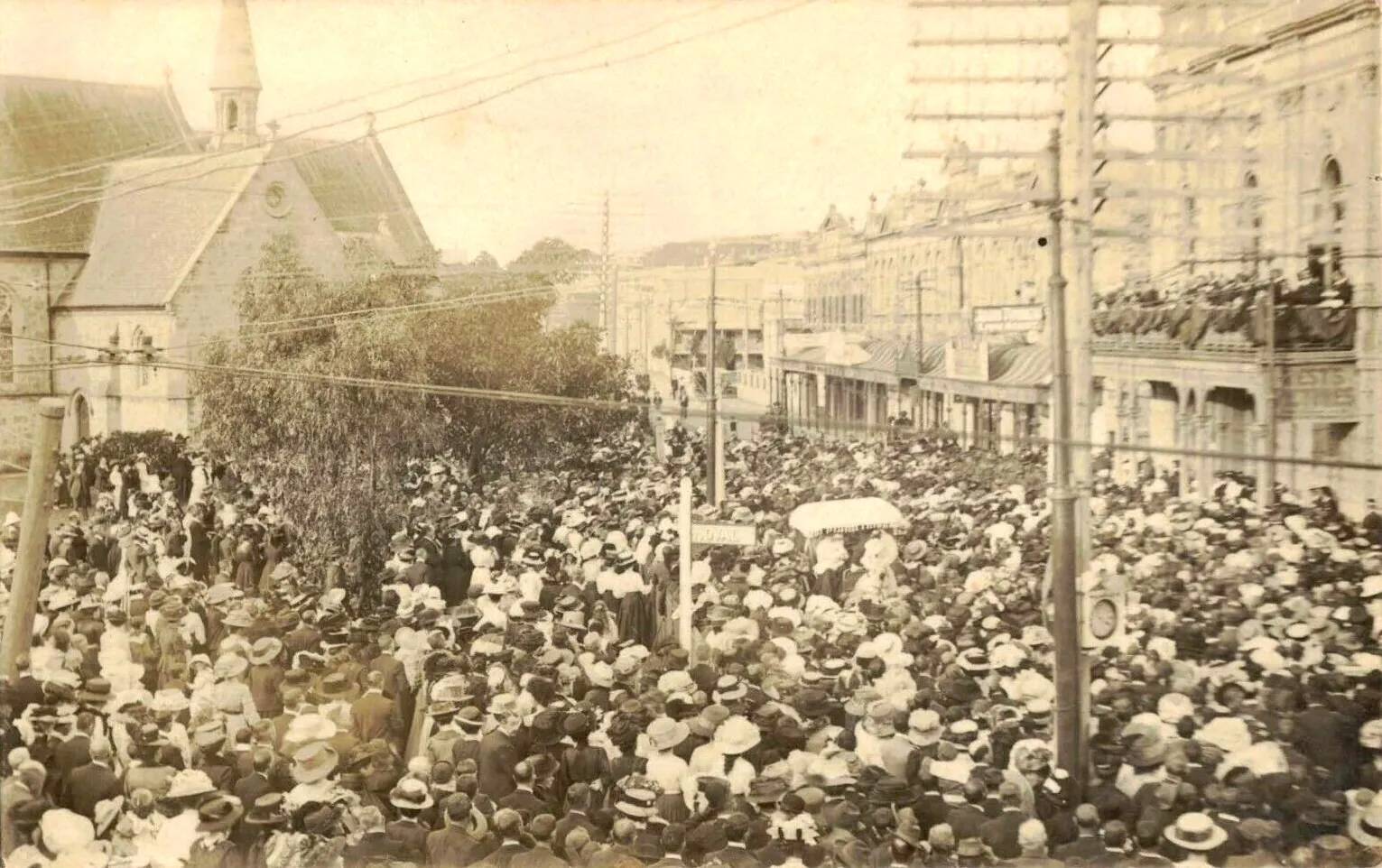
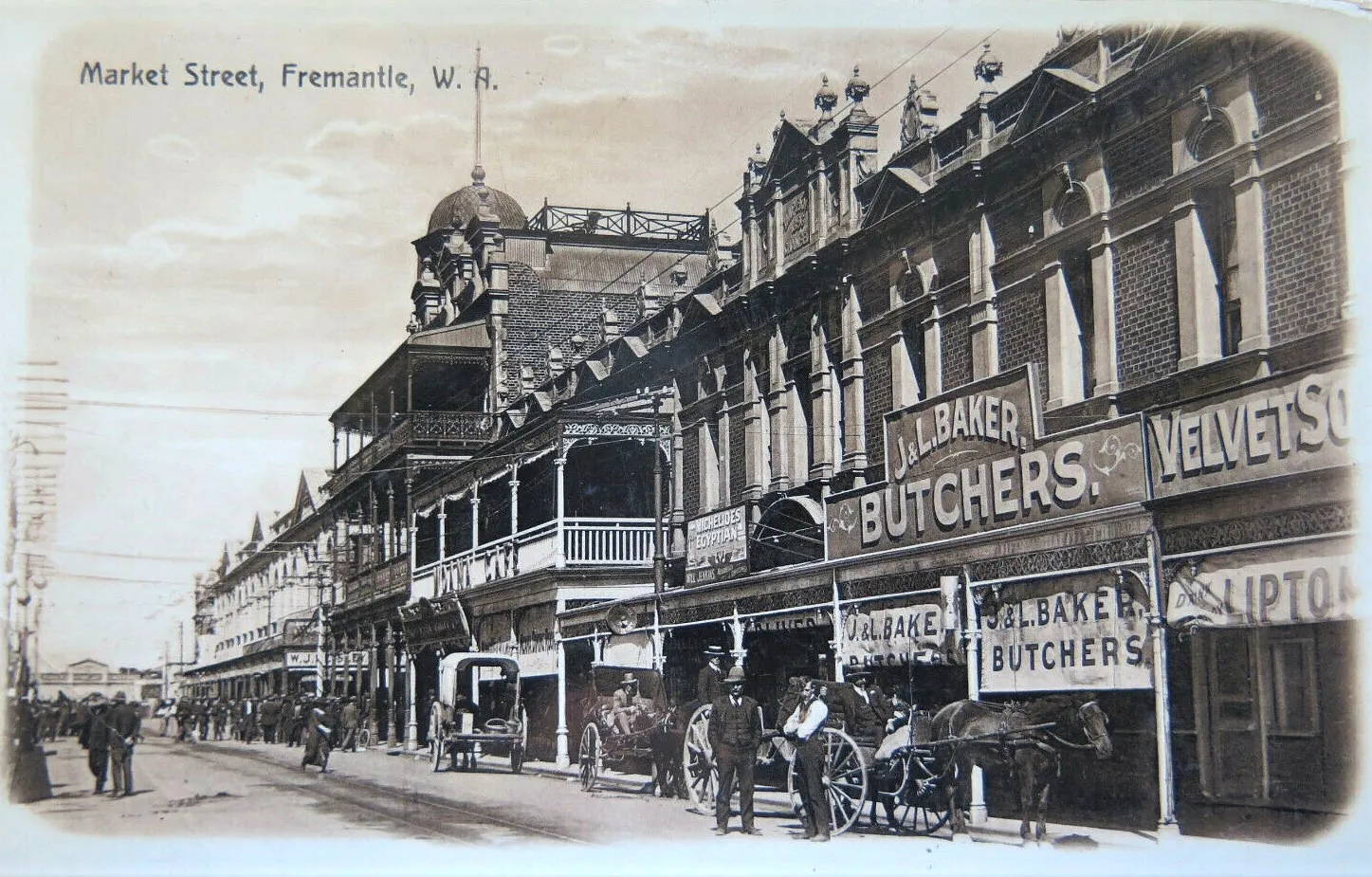
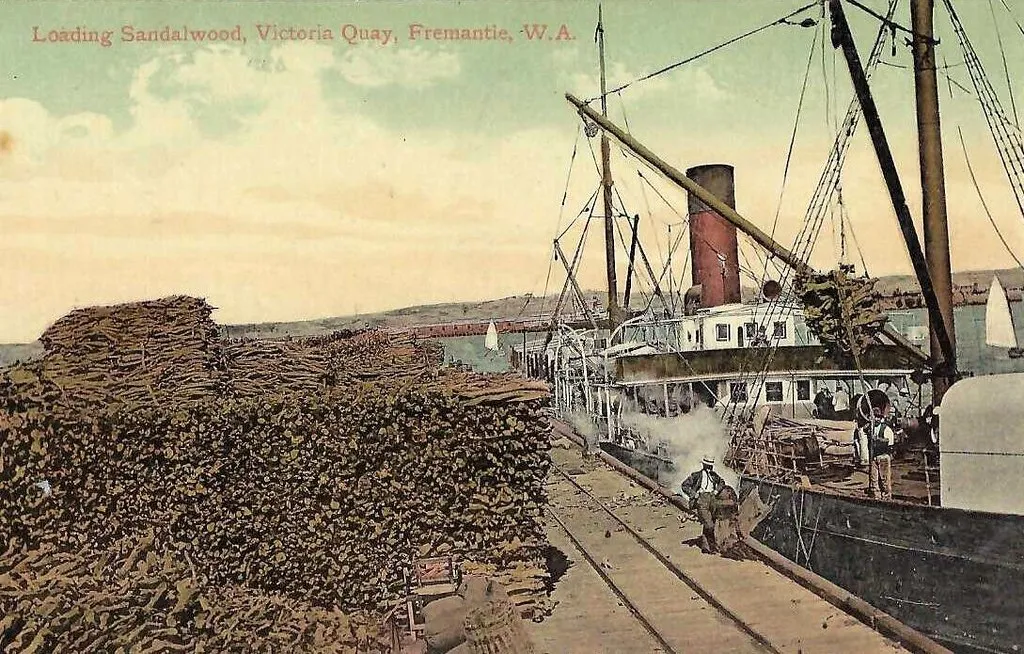
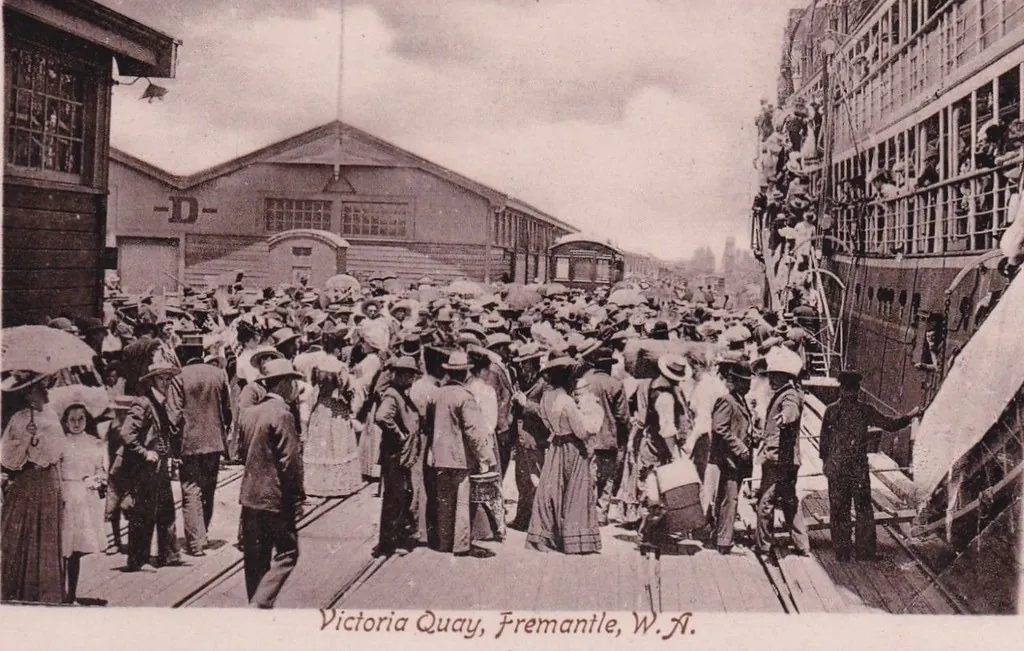
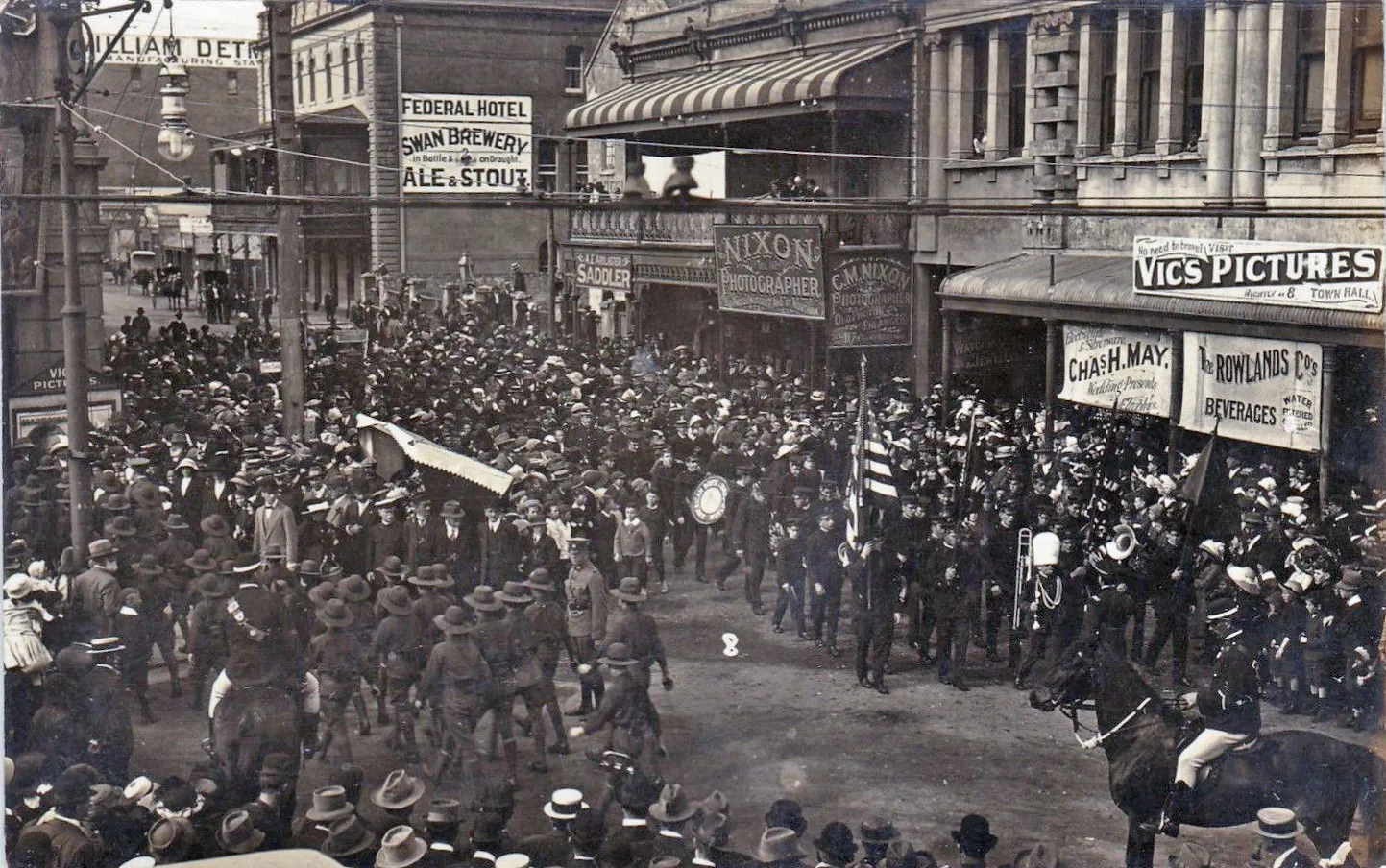
The 1890s gold rush and the new inner harbour, opened in 1897, turned Fremantle into the gateway to Western Australia. Most of the West End’s grand buildings date from these years.
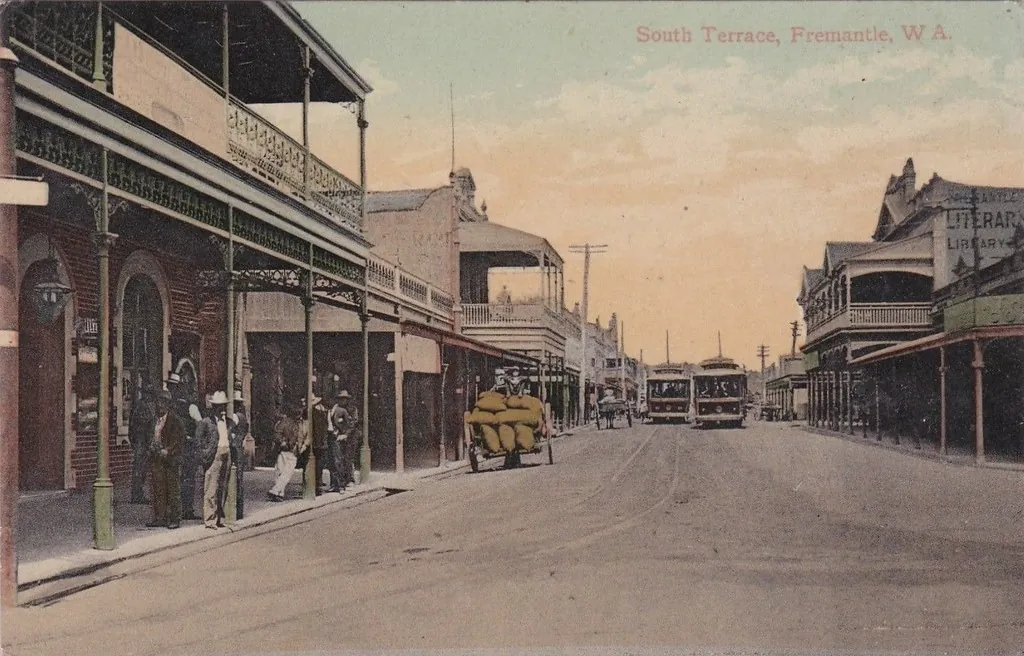
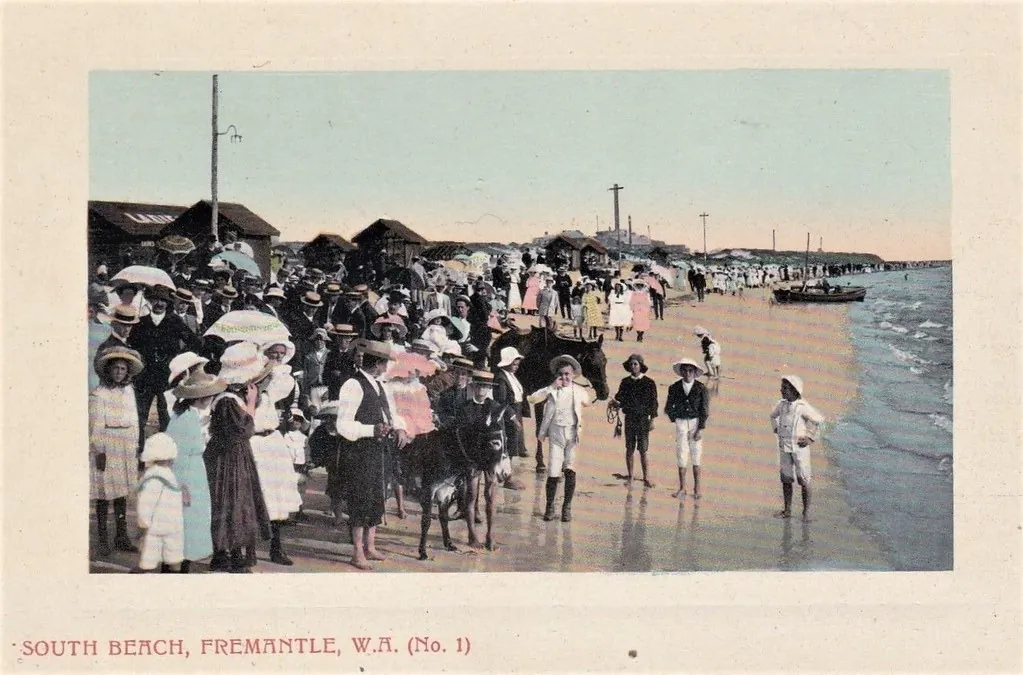
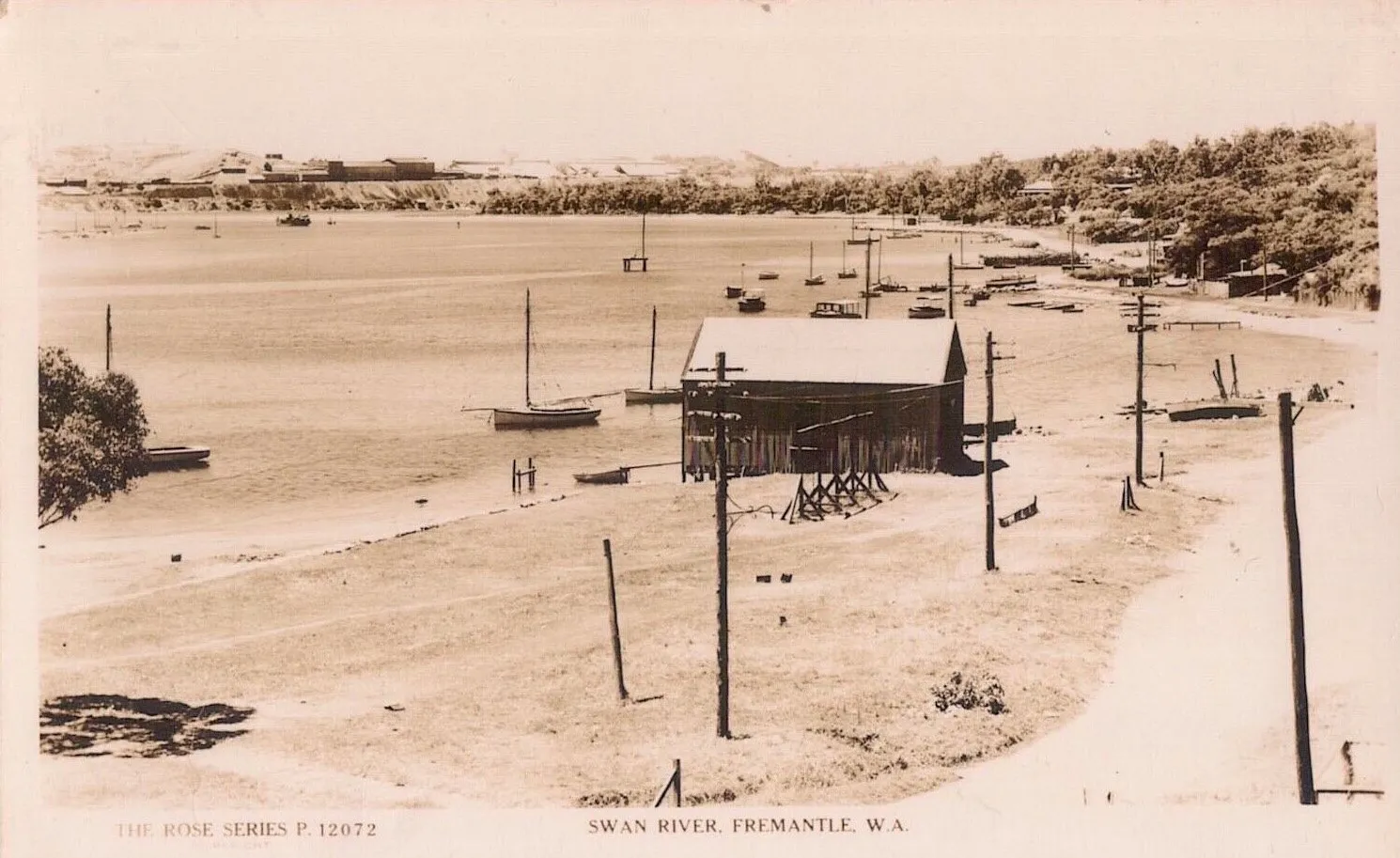
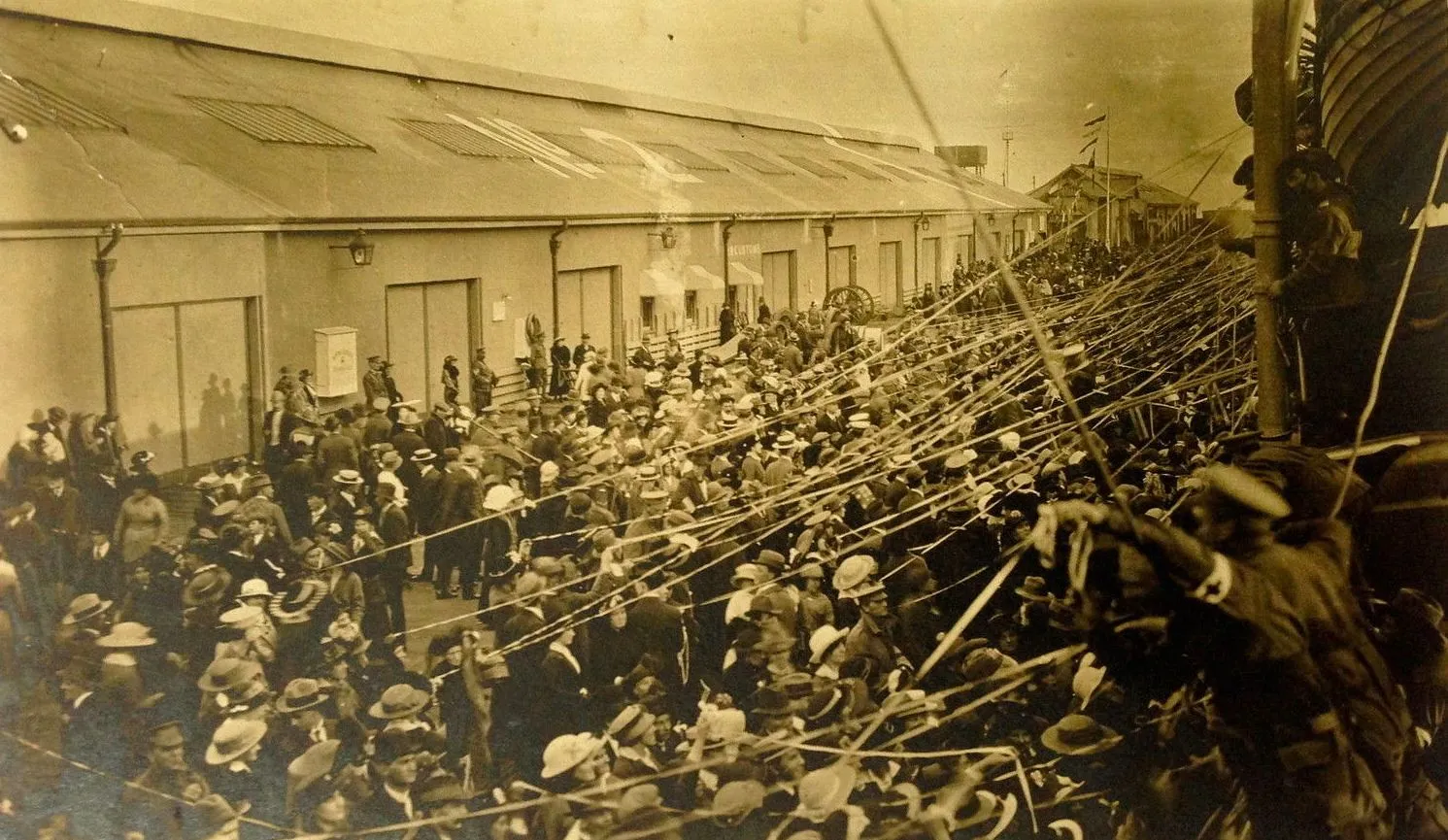
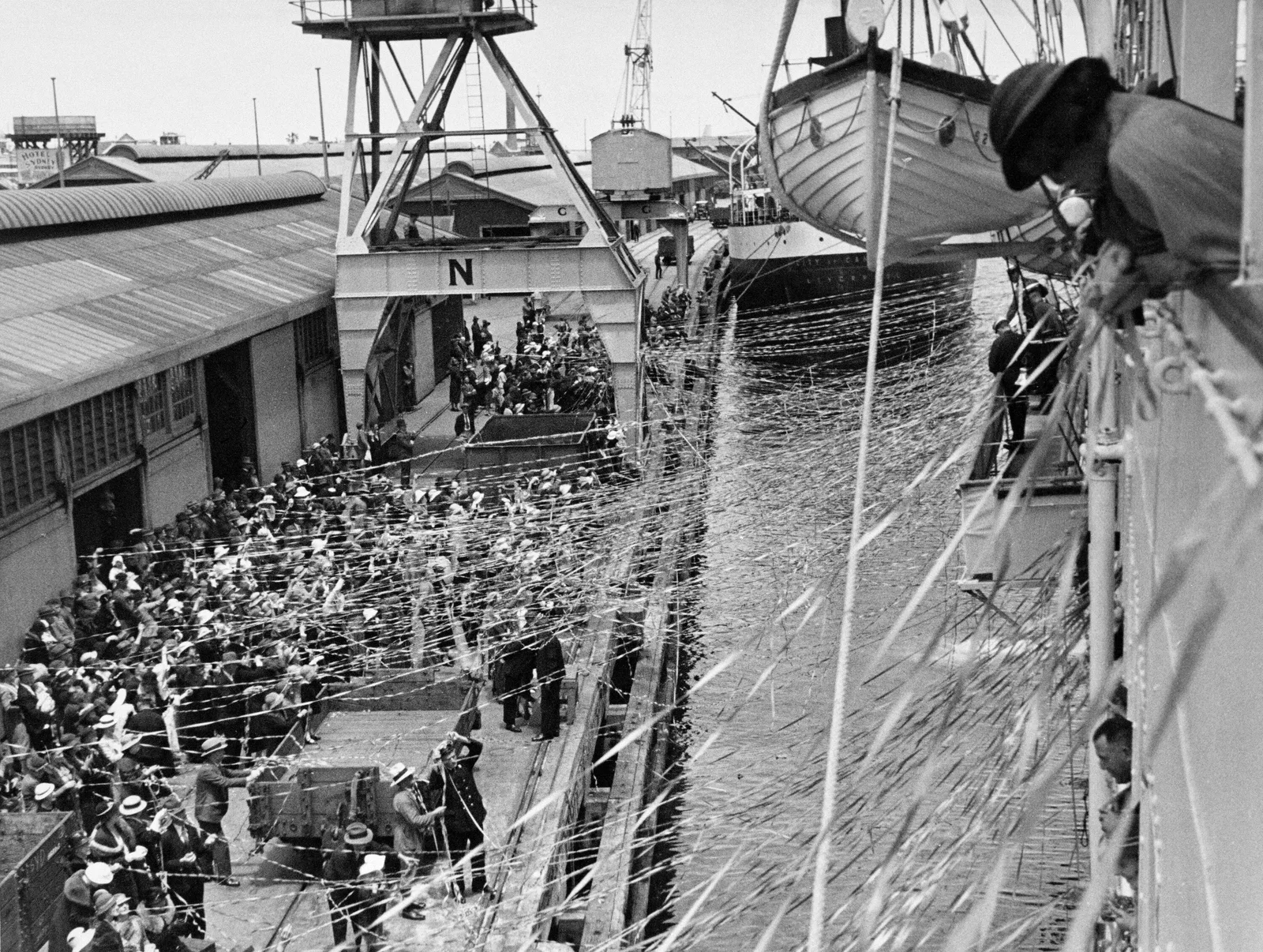
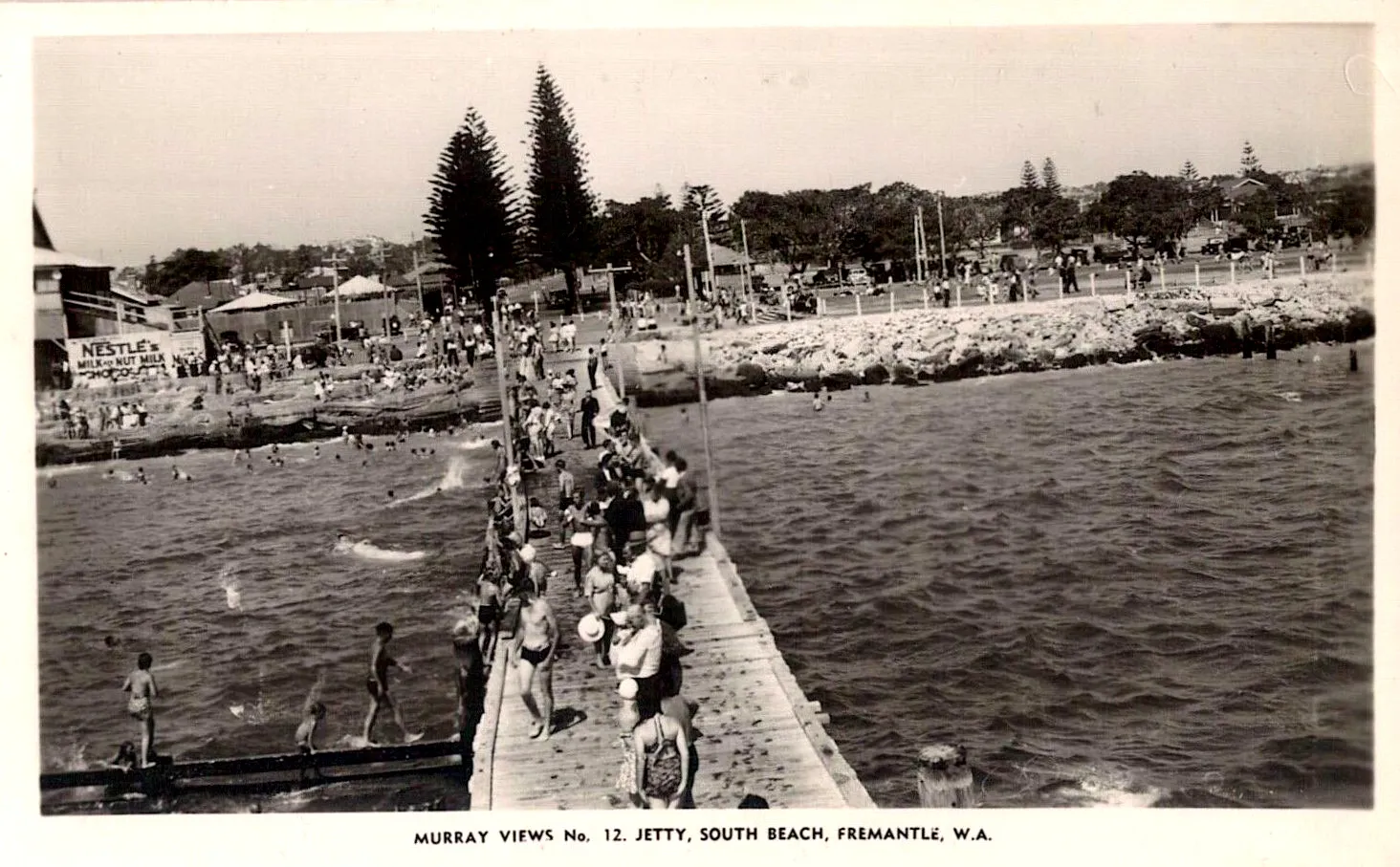
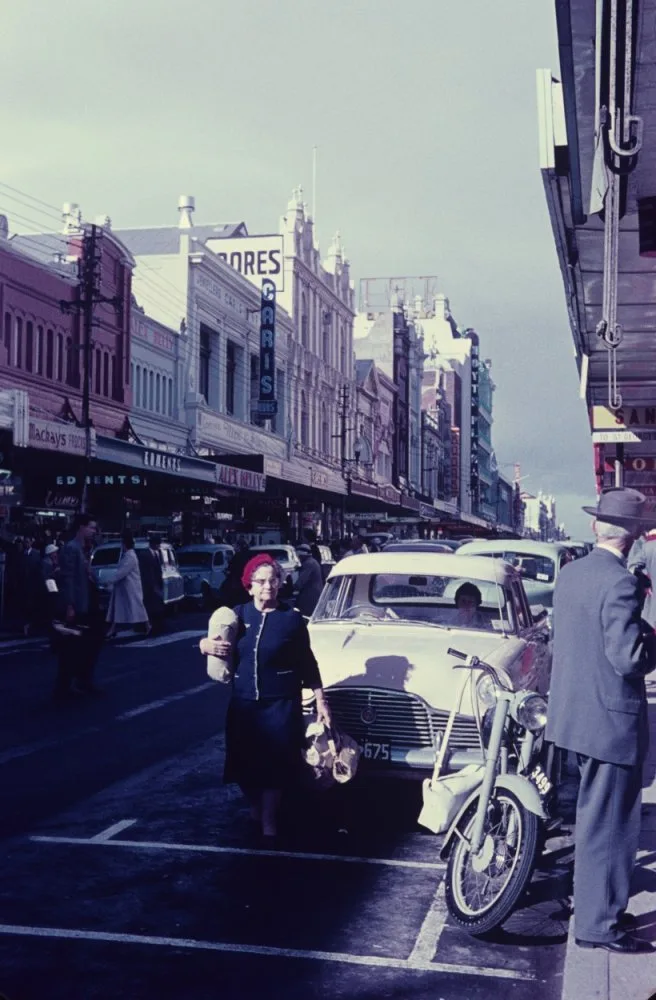
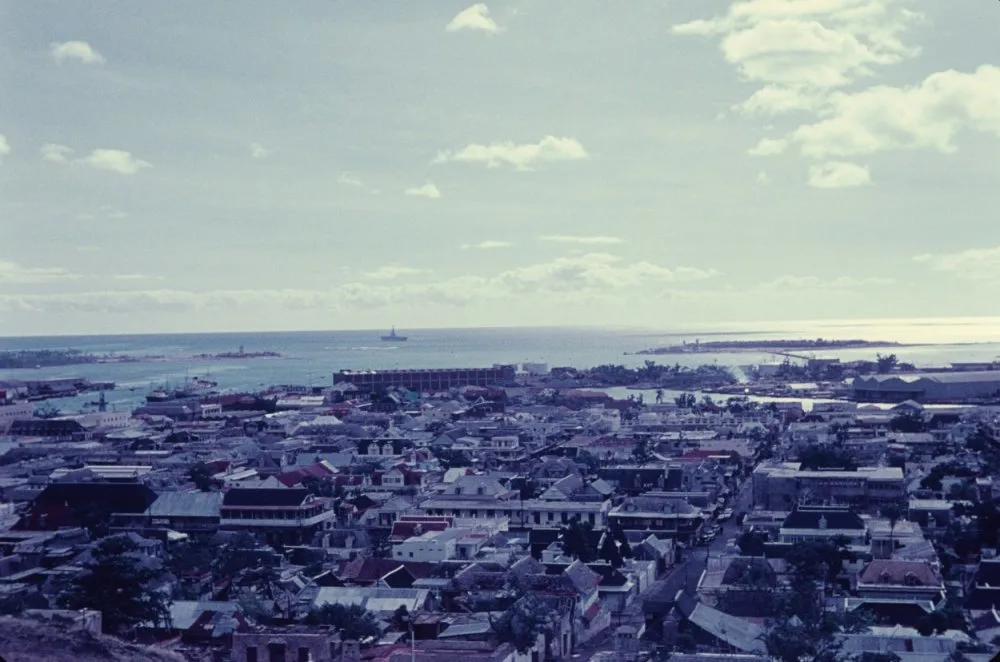
Wars, liners and holidaymakers, 1910–1960
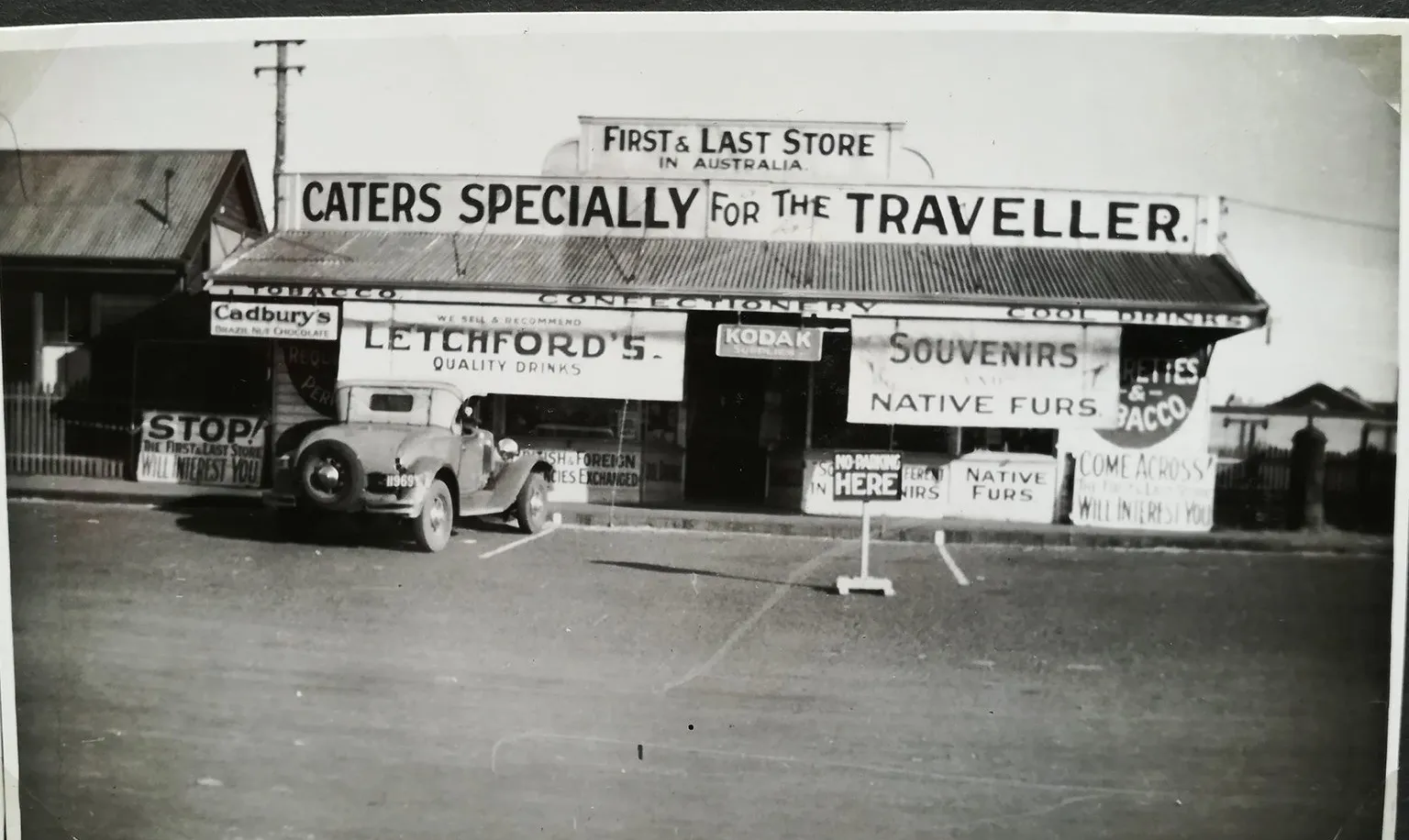
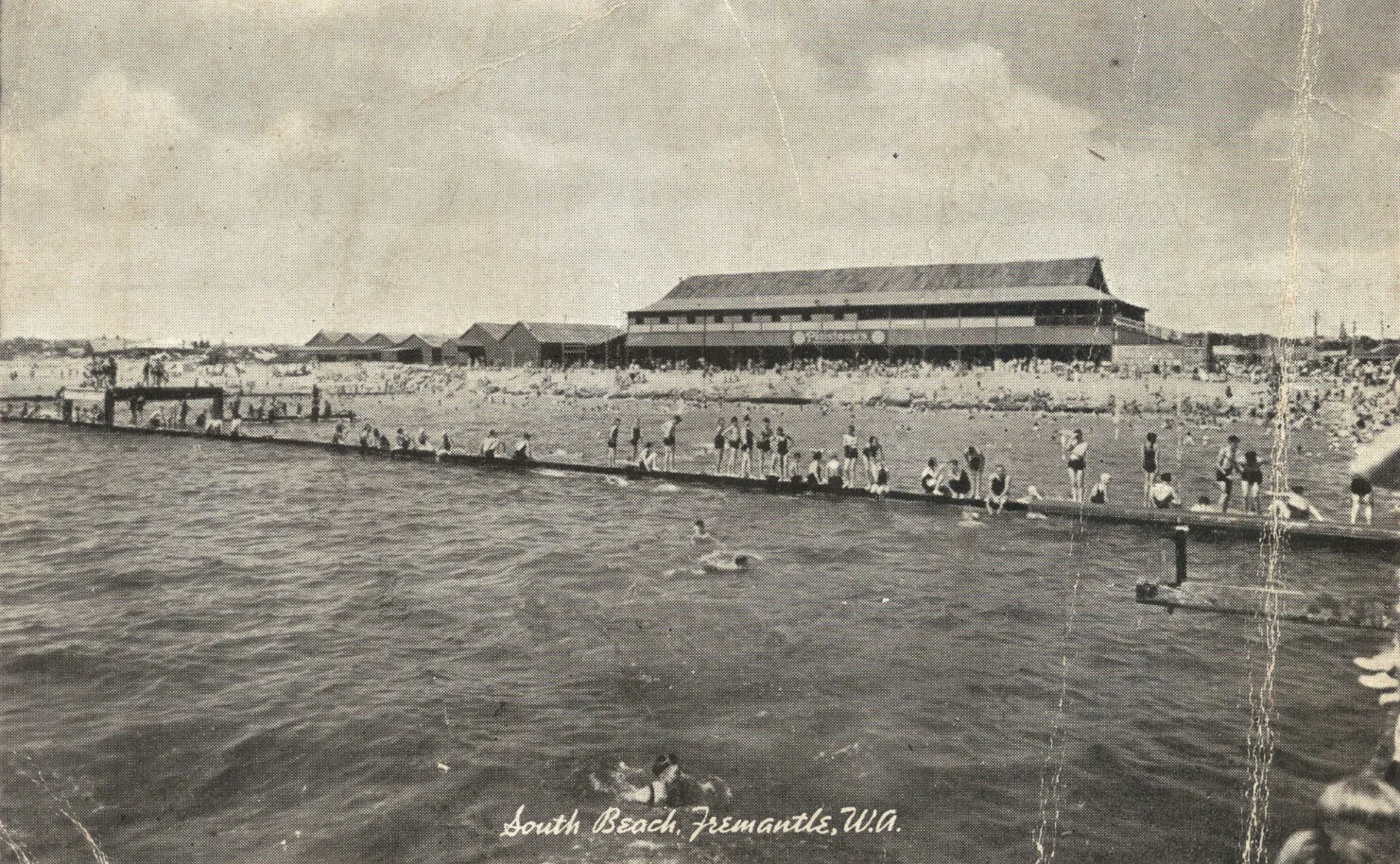
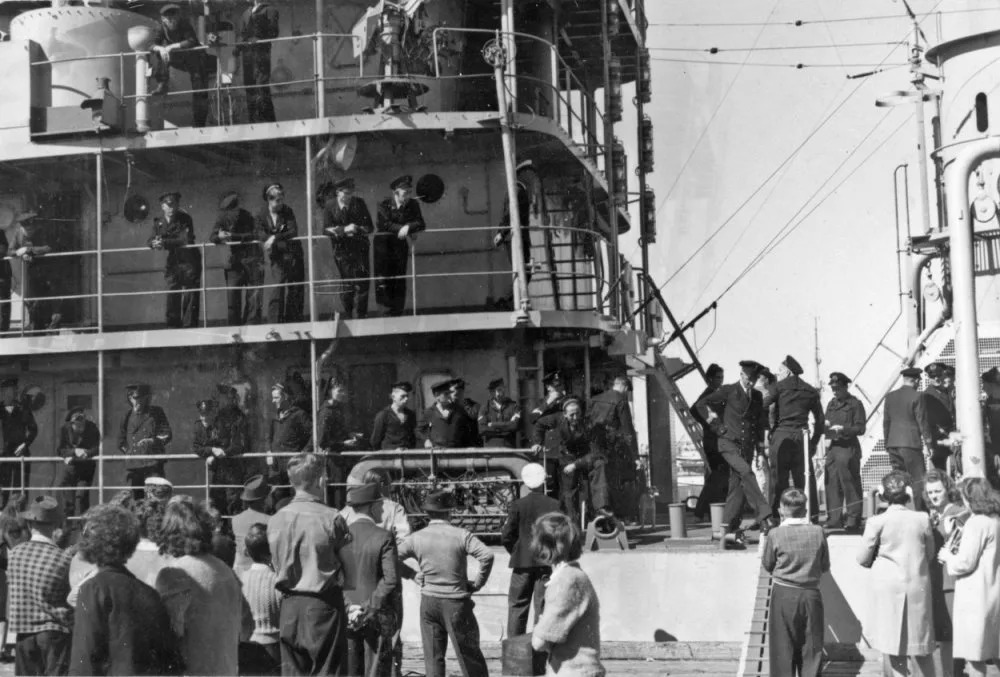
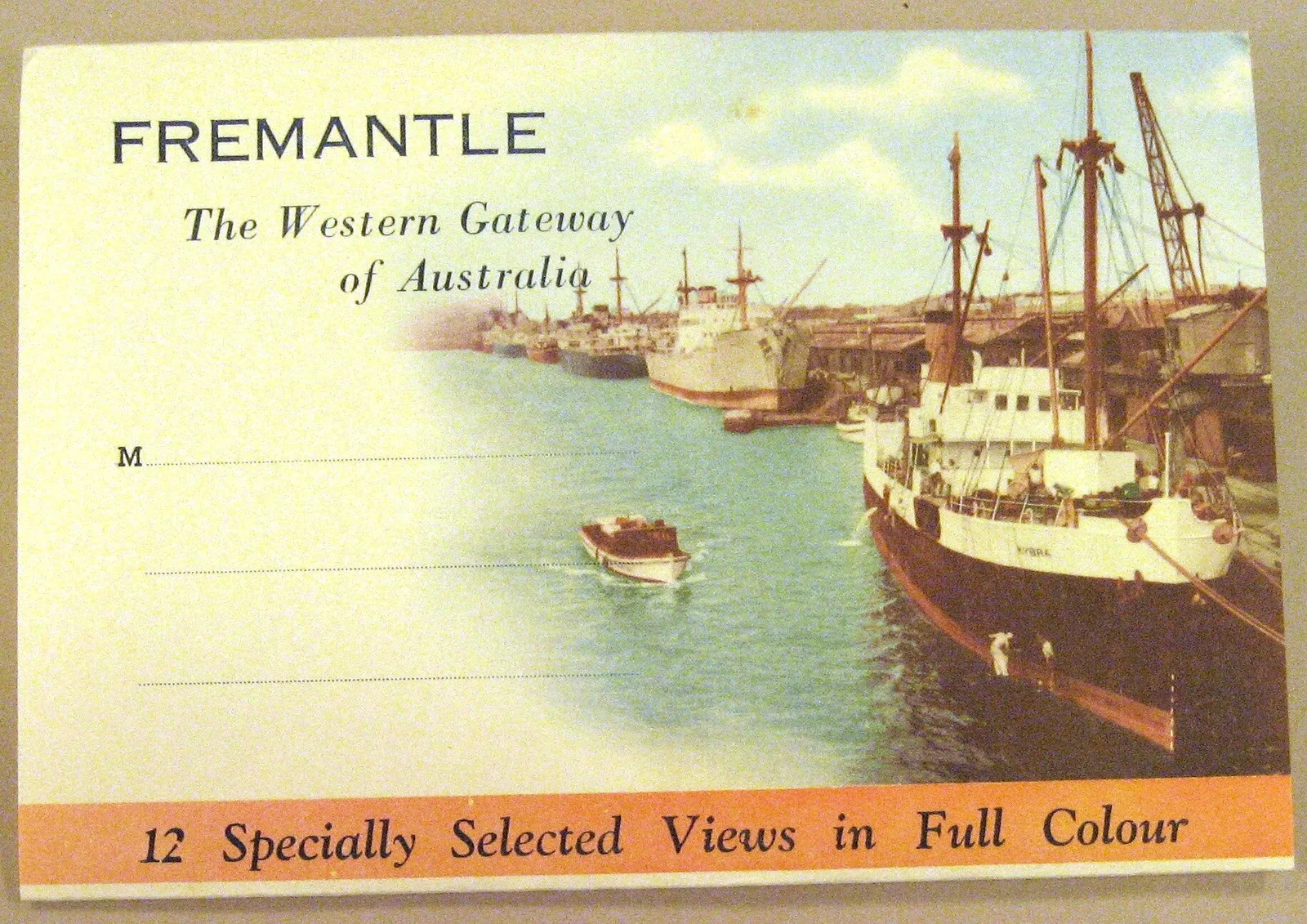
Troopships left Victoria Quay in both world wars, liners brought migrants and tourists, and on hot days the town headed for South Beach.
See the history for yourself
Visit the museums and historic sites, learn about Aboriginal culture and art from Whadjuk Noongar people, and explore Fremantle’s galleries and street art.
Fremantle history in depth
Questions people ask
What is the Aboriginal name for Fremantle?
Walyalup. The Whadjuk Noongar people have lived in and cared for this country for tens of thousands of years.
What is the oldest building in Fremantle?
The Round House, built in 1830–31 as a gaol to a design by Henry Willey Reveley. It was the first permanent building of the Swan River Colony.
When did convicts come to Western Australia?
From June 1850, when the first convict ship arrived at Fremantle, until January 1868, when the Hougoumont arrived as the last convict ship to Australia.
Why is Fremantle called Fremantle?
It is named after Captain Charles Fremantle, who claimed the west coast of New Holland for Britain at the mouth of the Swan River on 2 May 1829.
Why is Fremantle so famous?
For its history and character: it is Western Australia's best-preserved 19th-century port town, with the World Heritage-listed Fremantle Prison, the Round House, the 1897 Markets and the gold-rush West End. It hosted the 1987 America's Cup and is the gateway to Rottnest Island.
Who founded Fremantle?
Captain Charles Fremantle claimed the west coast for Britain at the mouth of the Swan River on 2 May 1829, and the port was named after him. James Stirling founded the Swan River Colony weeks later.
When was Fremantle Harbour built?
Engineer C. Y. O'Connor's inner harbour was built from late 1892 and opened on 4 May 1897, when the steamer Sultan became the first ship to enter.
What happened in Fremantle in 1987?
Fremantle hosted the America's Cup defence after Australia II's 1983 win. The event drove a major restoration of the West End's heritage buildings.
Where can I learn about Fremantle's history?
Walk our self-guided heritage walk, visit Fremantle Prison, the Round House, the WA Maritime and Shipwrecks museums and the Walyalup Aboriginal Cultural Centre, and explore the City of Fremantle's Local History Collection online.