How Fremantle got its harbour
For its first 70 years Fremantle had no proper harbour. A limestone bar blocked the Swan River mouth, so ships anchored offshore at Gage Roads or tied up at the exposed Long Jetty off Bathers Beach. Engineer C. Y. O'Connor blasted through the bar, and his inner harbour opened on 4 May 1897, just in time for the gold rush.
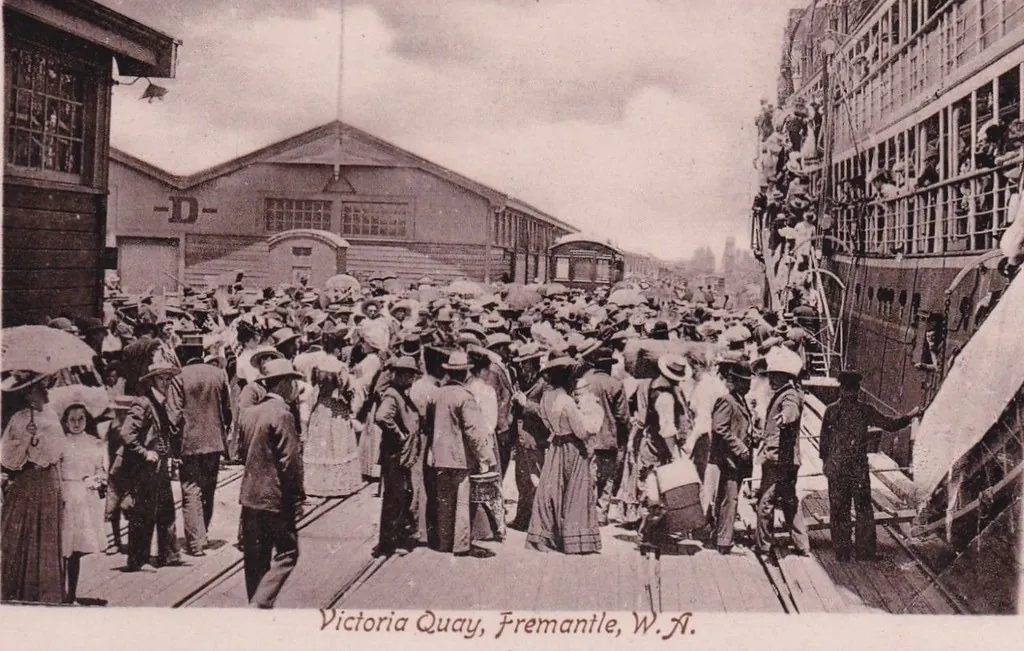
A port without a harbour
When the Swan River Colony was founded in 1829, Fremantle had a problem: a limestone bar stretched across the mouth of the Swan River, Derbarl Yerrigan. Seagoing ships couldn’t get in. For almost 70 years they anchored in the open water of Gage Roads, between the mainland and Rottnest, and goods came ashore by lighter.
The town’s answer was the Long Jetty, which ran out to sea from the southern end of what is now Bathers Beach. Ships tied up there to unload. Cargo was carted along Cliff Street and barged up the river to Perth. Sailors disliked the jetty, which was exposed to the winter gales.
C. Y. O’Connor’s harbour
In the 1890s, as gold was found in the eastern goldfields, the colony needed a proper port fast. The British harbour engineer Sir John Coode had advised against a harbour in the river mouth, fearing it would silt up. The colony’s new Engineer-in-Chief, C. Y. O’Connor, disagreed. He proposed blasting through the rock bar, dredging the river basin, building two protective moles at the entrance and reclaiming land for quays and warehouses.
After much political debate, Parliament backed him and work began in late 1892. On 4 May 1897, the steamer Sultan, with Lady Forrest at the wheel, became the first ship to enter the partly built inner harbour. Fremantle was suddenly the gateway to the goldfields, and the boom of the 1890s built much of today’s West End.
O’Connor went on to build the Goldfields Water Supply Scheme. His statue, erected on Victoria Quay in 1911, now stands near the port administration building on Cliff Street.
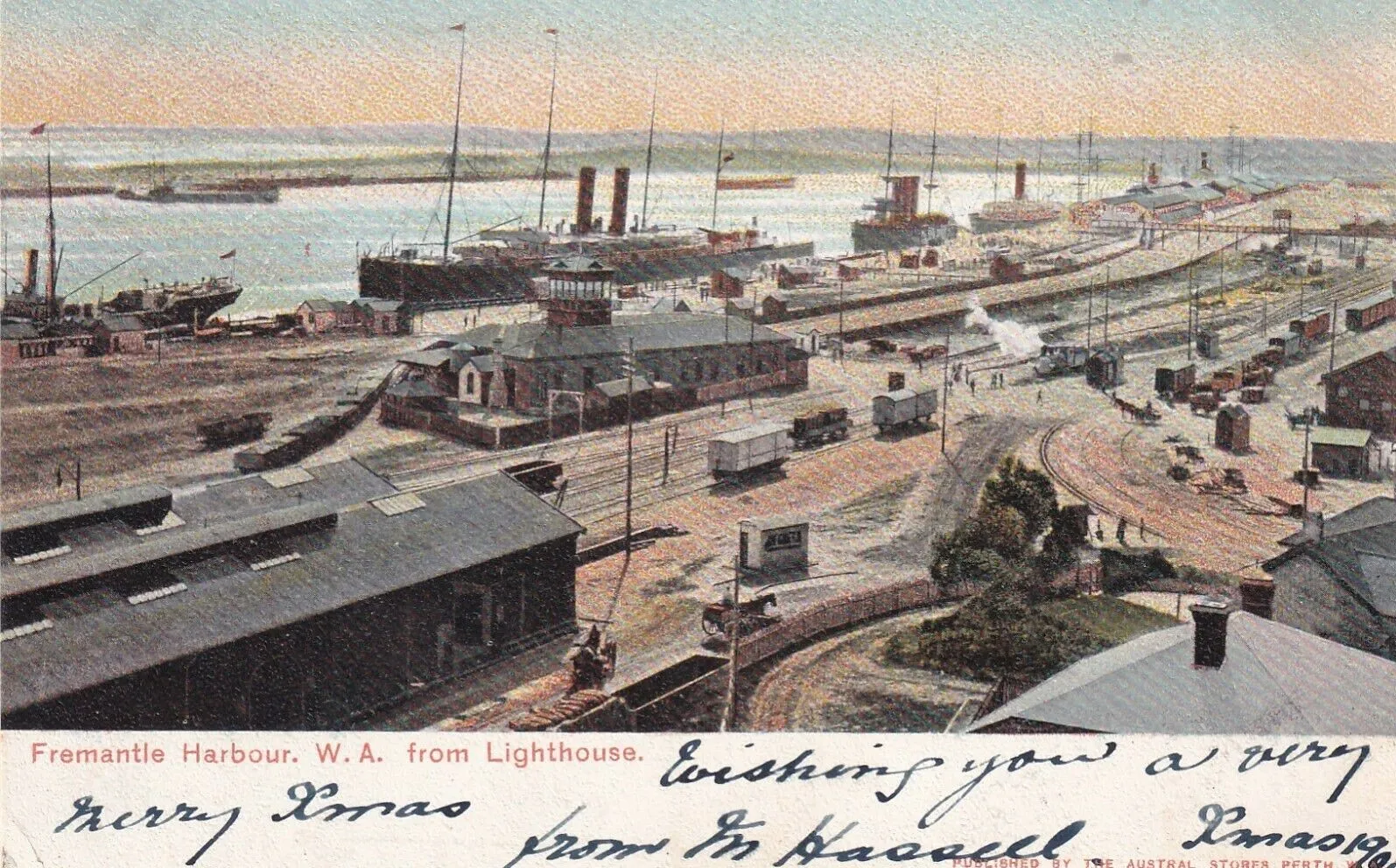
Victoria Quay and North Quay
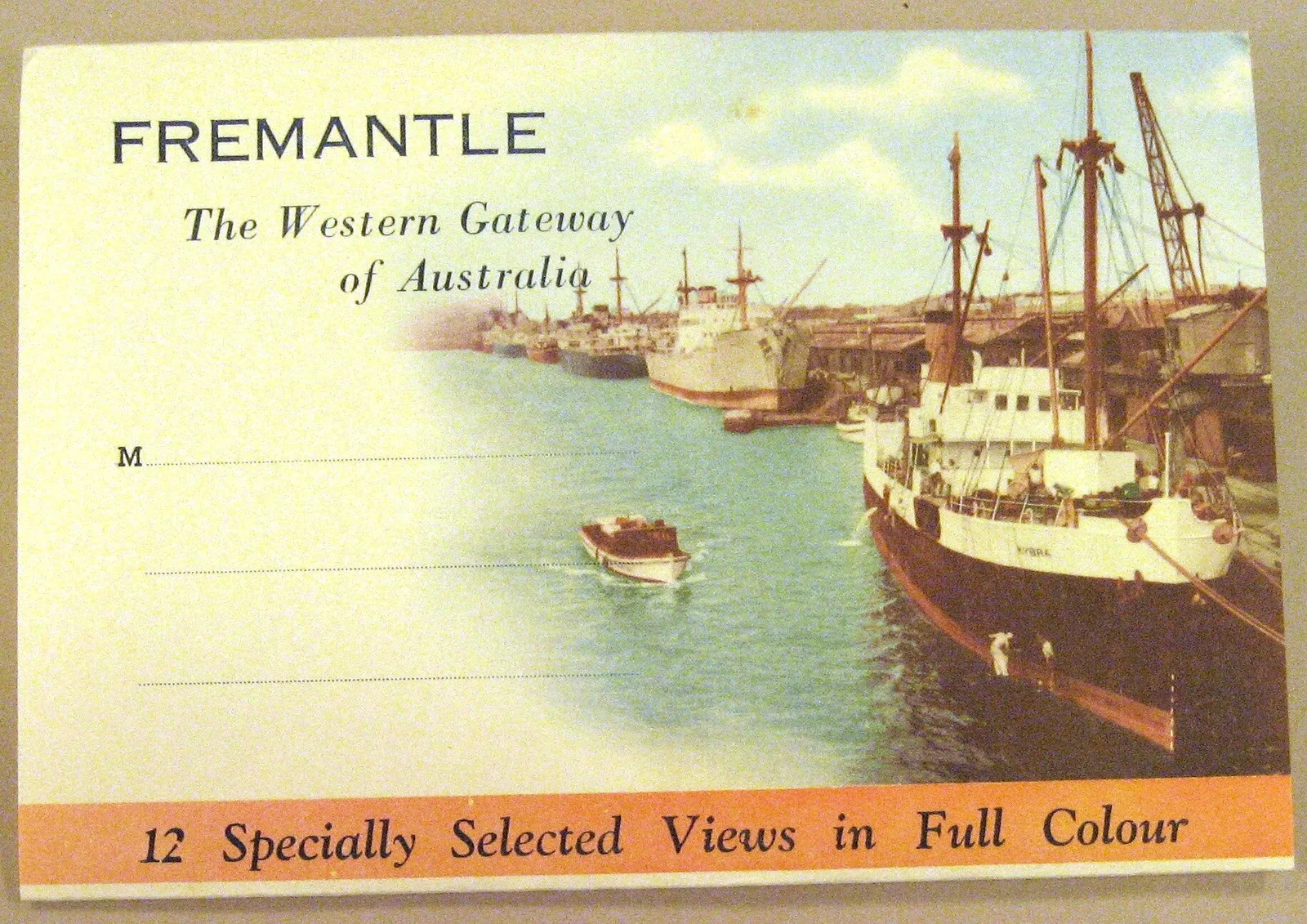
- Victoria Quay, the southern, Fremantle-side wharf, took passengers and general cargo. Today it’s home to the WA Maritime Museum, B Shed (Rottnest ferries), A Shed and the Fremantle Passenger Terminal, built for the 1962 British Empire and Commonwealth Games.
- North Quay, across the river, was built in the late 1890s and is now the container terminal whose cranes you see from Leighton and Port Beach.
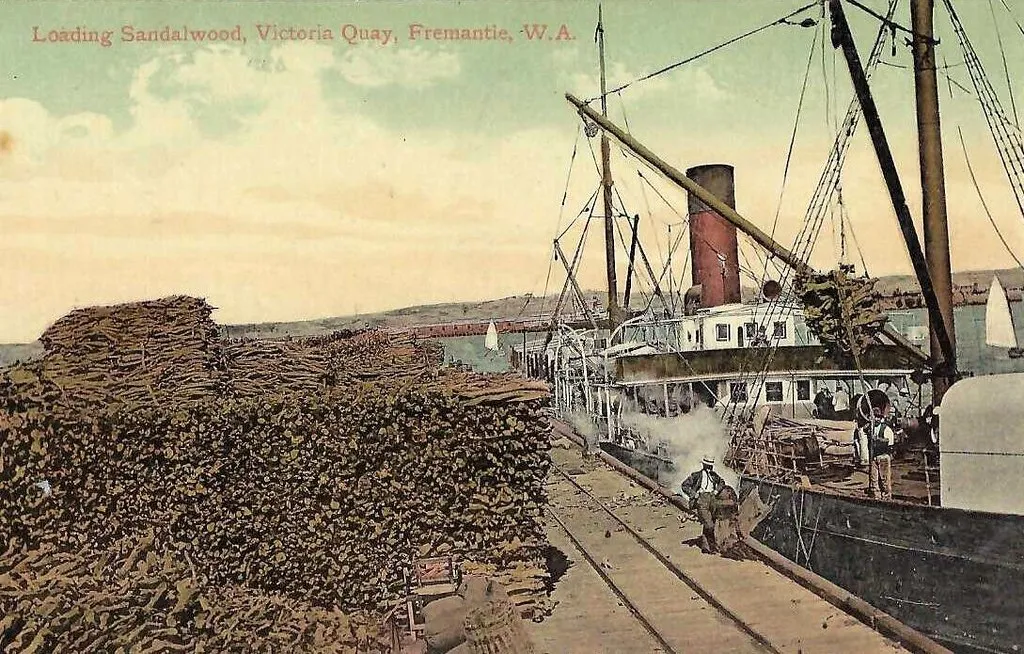
Farewells on the quay
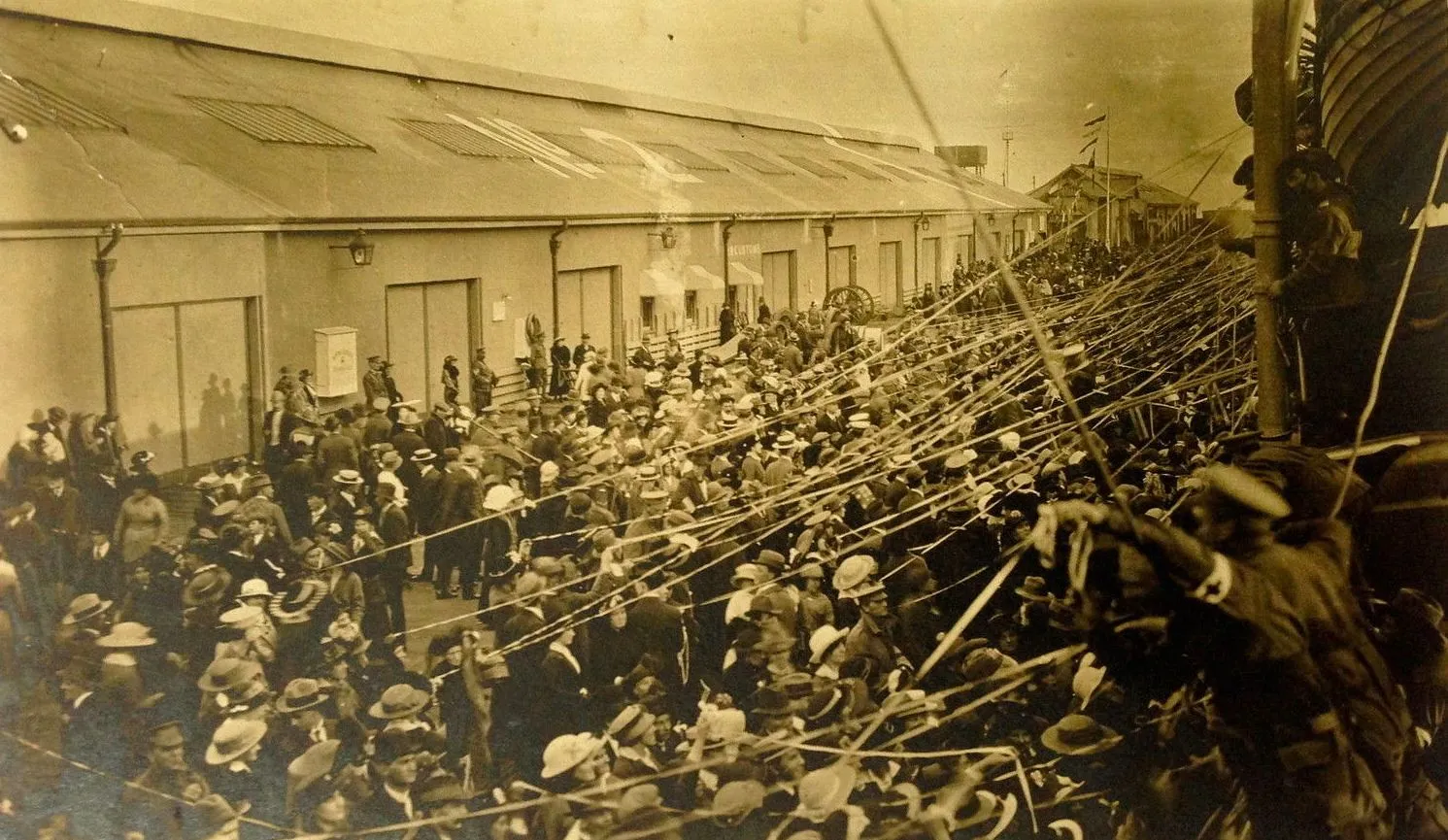
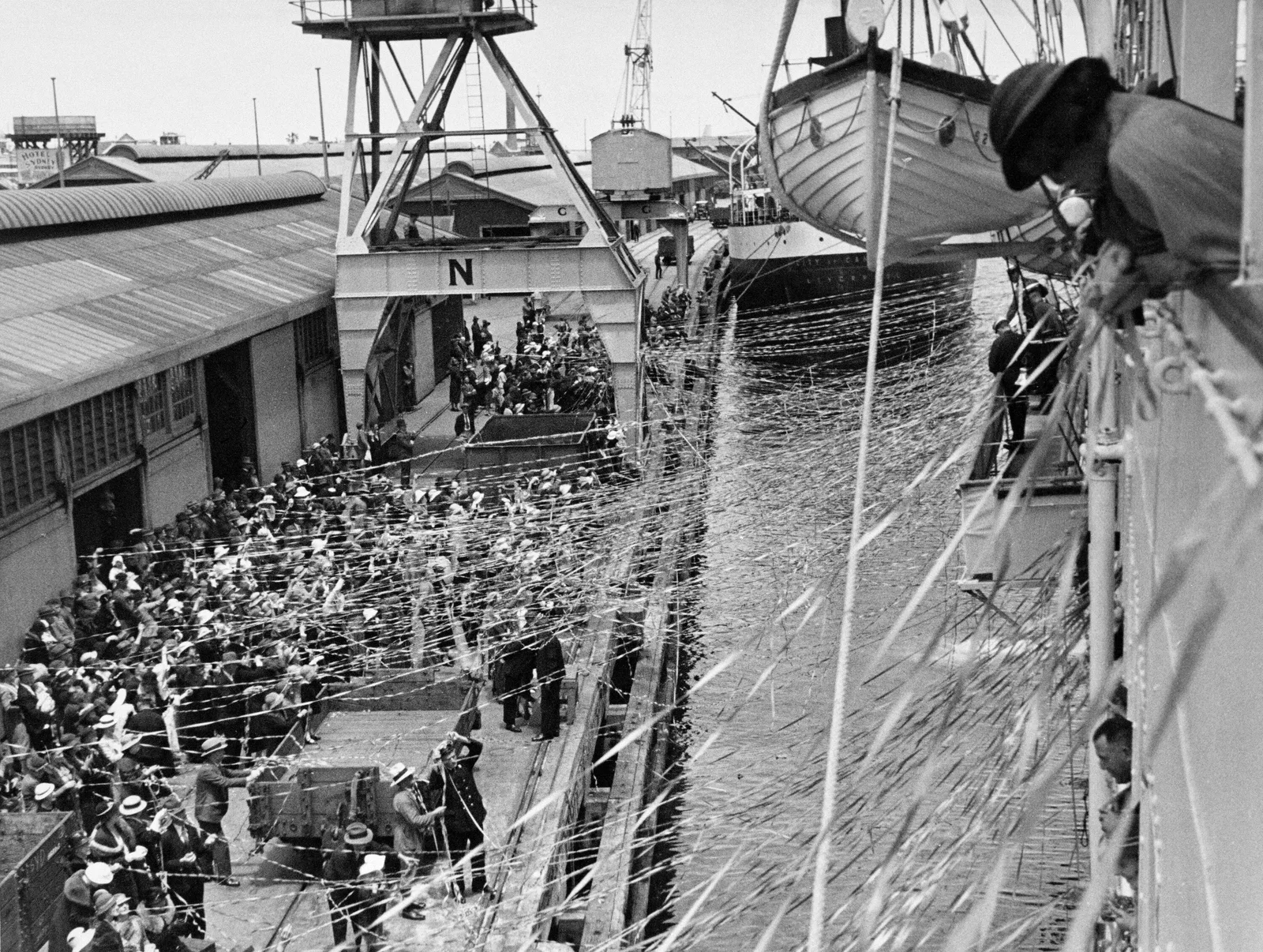
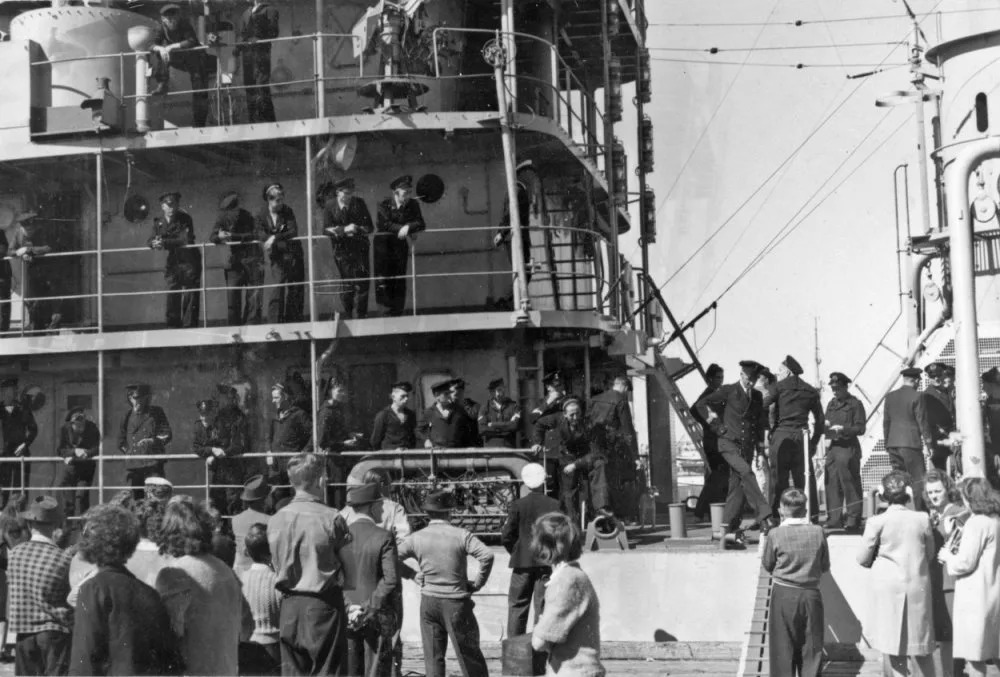
For much of the 20th century, Victoria Quay was where Western Australia said hello and goodbye. Liners from Britain and Europe called on their way to and from the eastern states, troopships left from here in both world wars, and crowds packed the wharf to throw paper streamers to passengers at the rail as ships pulled away.
The harbour today
Fremantle’s inner harbour is Western Australia’s largest and busiest general cargo port, open 24 hours a day for containers, cars, livestock, cruise ships and naval visits. Bulk cargo goes through the Outer Harbour at Kwinana. The State Government plans to move container shipping there over the coming decades, which would open up Fremantle’s waterfront in new ways.
Questions people ask
When was Fremantle Harbour built?
Work on C. Y. O'Connor's inner harbour began in late 1892. It opened on 4 May 1897, when the steamer Sultan, with Lady Forrest at the wheel, became the first ship to enter the partly built port.
Why did Fremantle need a new harbour?
A rocky limestone bar blocked the Swan River mouth, making it virtually impassable for seagoing ships. Ships anchored in the open roadstead at Gage Roads or used the exposed Long Jetty, and cargo was carted and barged up the river to Perth.
Who was C. Y. O'Connor?
Charles Yelverton O'Connor was Western Australia's Engineer-in-Chief in the 1890s. He designed and built Fremantle's inner harbour and the Goldfields Water Supply Scheme. A statue of him stands in Fremantle near the port administration building on Cliff Street.
What was the Long Jetty in Fremantle?
A long timber jetty that ran out to sea from the southern end of today's Bathers Beach. Ships unloaded onto it before the inner harbour opened, and cargo went down Cliff Street. Its remains are now under reclaimed land.
What is Victoria Quay?
The southern wharf of the inner harbour, on the Fremantle side. Today it holds the WA Maritime Museum, the Passenger Terminal, B Shed (Rottnest ferries) and A Shed (Gage Roads brewery).
Is Fremantle still a working port?
Yes. The inner harbour is Western Australia's largest and busiest general cargo port, handling containers, vehicles, livestock, cruise ships and naval visits. The State Government plans to move container shipping to a new outer harbour at Kwinana over coming decades.