Walyalup: Aboriginal Fremantle
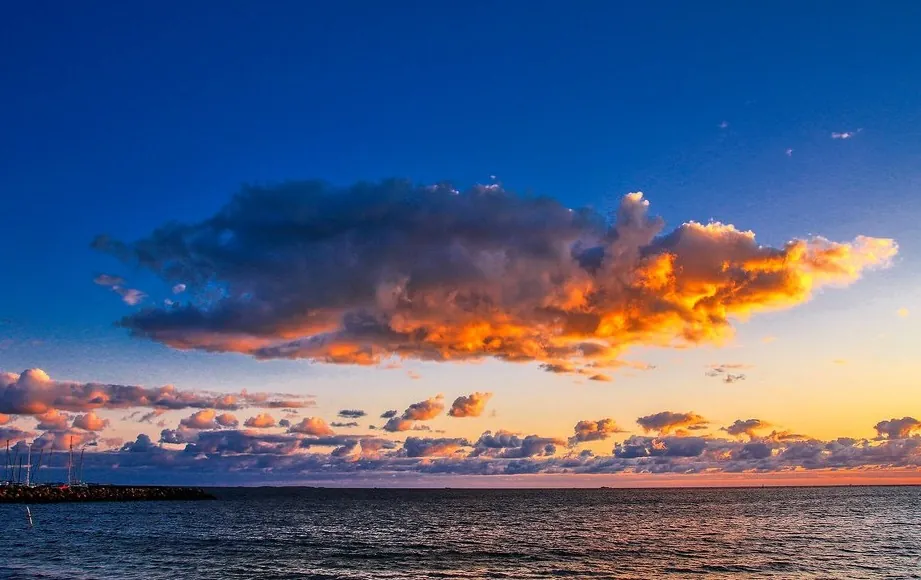
Fremantle is Walyalup, part of the country of the Whadjuk Noongar people, who have lived here for tens of thousands of years. The name means 'place of the walyo', the woylie or brush-tailed bettong. The shore below Arthur Head, now Bathers Beach, was Manjaree, a meeting and trading place. You can learn about it today at the Walyalup Aboriginal Cultural Centre and on the Manjaree Trail.
This page is an introduction written by a non-Aboriginal guide, drawing on published sources. Aboriginal people are the authorities on their own culture and history. We’d welcome corrections, and we encourage visitors to learn directly from Aboriginal-led centres and tours.
Walyalup and the Whadjuk people
Long before the Swan River Colony, the land where Fremantle stands was, and is, Walyalup, part of the country of the Whadjuk people of the Noongar nation, whose lands stretch across the south-west of Western Australia. Whadjuk connection to this place goes back tens of thousands of years.
The name Walyalup is usually translated as “place of the walyo”, the woylie or brush-tailed bettong, a small marsupial once common here. You’ll see the name more and more in Fremantle today: in the Walyalup Fremantle Arts Centre, in Walyalup Koort, the redeveloped civic heart around Kings Square, and in the new Walyalup Bridge across the river, opened in November 2026.
Manjaree: a place of fair exchange
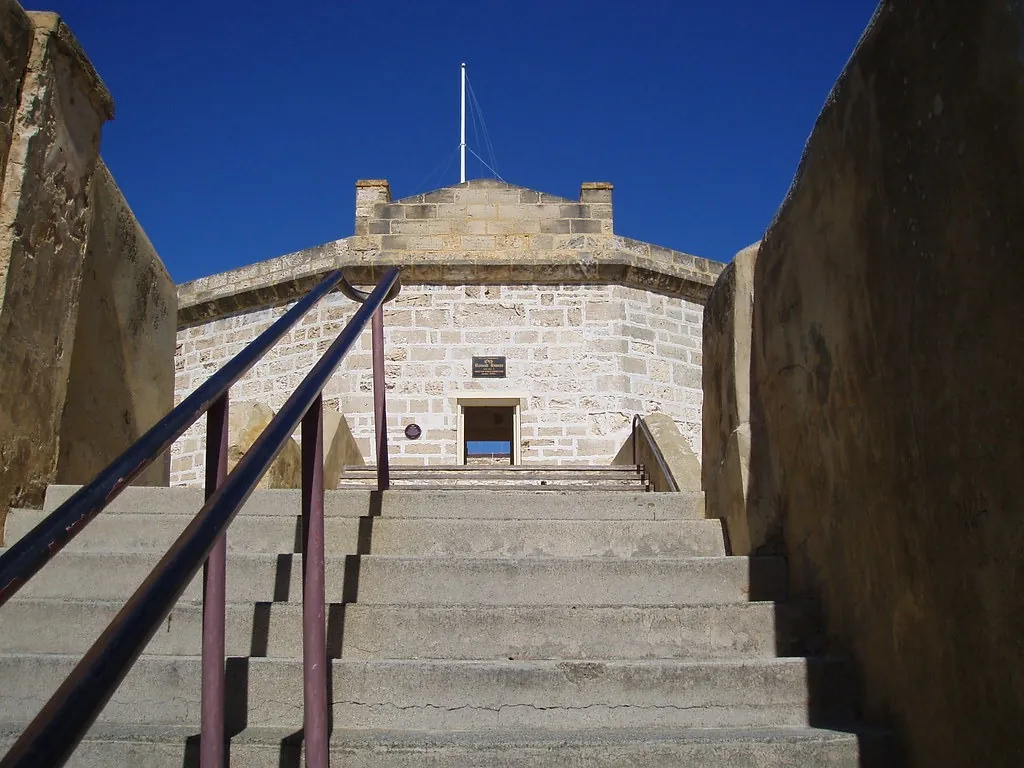
The limestone headland at Arthur Head and the beach below it, today’s Round House and Bathers Beach, were known to the Whadjuk as Manjaree, translated as “fair exchange”. It was a meeting place where valuable goods were traded, families gathered for kinship and law, and young people who had come of age met future partners.
Many of these places look very different now. The headland was cut back, the shore reclaimed and the harbour built. But they remain significant to Whadjuk people. The Manjaree Trail, which starts near Kidogo Arthouse at Bathers Beach, explains this history alongside the Noongar seasons, bush foods and trade.
Derbarl Yerrigan and Wadjemup
- Derbarl Yerrigan is the Swan River. Its mouth at Fremantle, once blocked by a limestone bar, was a place for fishing, crossing and gathering.
- Wadjemup is Rottnest Island. From 1838 to 1931 the island held a prison for Aboriginal men and boys taken from across Western Australia, and hundreds died there. For many Aboriginal people it is a place of sorrow, and the island now acknowledges this history. If you visit, take time to learn about it. See our Rottnest day trip guide.
1829 and after
The Swan River Colony was established in 1829 without treaty or consent. Colonisation brought violence, the loss of land, food sources and freedom of movement, and laws that controlled Aboriginal lives for generations. These histories are part of Fremantle’s story as much as its gold-rush buildings, and local truth-telling programs, including at Manjaree, are bringing them into the open.
Where to learn more in Fremantle
| Place | What you’ll find |
|---|---|
| Walyalup Aboriginal Cultural Centre, Captains Lane, Bathers Beach Art Precinct | Aboriginal art, culture and history, with programs based on the six Noongar seasons |
| Manjaree Trail, starting near Kidogo Arthouse | Interpretive trail on trade, seasons, bush foods and customs at Manjaree |
| In Culture Tours, Fremantle | A 90-minute walk with a Whadjuk guide sharing Noongar stories of Walyalup, from $99 |
| Japingka Aboriginal Art, 47 High Street | Specialist Aboriginal art gallery, free to browse |
| WA Museum Boola Bardip, Perth Cultural Centre | The state museum, with extensive Aboriginal history and culture galleries |
For galleries, workshops, tours and how to buy Aboriginal art ethically, see our guide to Aboriginal culture and art in Fremantle.
The six Noongar seasons
| Season | Roughly | What’s happening |
|---|---|---|
| Birak | December–January | Hot and dry, afternoon sea breezes |
| Bunuru | February–March | Hottest time, coastal living and fishing |
| Djeran | April–May | Cooling, dewy mornings |
| Makuru | June–July | Cold and wet |
| Djilba | August–September | Mixed weather, early wildflowers |
| Kambarang | October–November | Warming, wildflowers in full bloom |
The seasons are guided by what’s happening on country rather than by fixed dates, so the months are approximate.
Questions people ask
What is the Aboriginal name for Fremantle?
Walyalup. In the Whadjuk Noongar language it is usually translated as 'place of the walyo', the woylie or brush-tailed bettong, a small marsupial once common in the area.
Who are the Traditional Owners of Fremantle?
The Whadjuk people, one of the groups of the Noongar nation of south-west Western Australia. Their connection to this country goes back tens of thousands of years and continues today.
What does Manjaree mean?
Manjaree is the Whadjuk name for the area around the limestone headland at Arthur Head and Bathers Beach. It is translated as 'fair exchange', reflecting its role as a place where people met to trade, gather as families and conduct law and ceremony.
What is the Noongar name for the Swan River?
Derbarl Yerrigan. The river mouth at Fremantle was an important place for fishing, crossing and gathering.
What is the Aboriginal name for Rottnest Island?
Wadjemup. From 1838 to 1931, the island held a prison for Aboriginal men and boys from across Western Australia, and many died there. It is a place of deep sorrow and significance for Aboriginal people.
Where can I learn about Aboriginal culture in Fremantle?
At the Walyalup Aboriginal Cultural Centre on Captains Lane in the Bathers Beach Art Precinct, which shows Aboriginal art and runs programs based on the six Noongar seasons, and on the Manjaree Trail, which starts near Kidogo Arthouse at Bathers Beach.
What are the six Noongar seasons?
Birak, Bunuru, Djeran, Makuru, Djilba and Kambarang. They follow the weather, plants and animals of the south-west rather than four fixed seasons, and cultural programs in Fremantle are often organised around them.